
Mound Septic System Installation
Professional mound system installation for properties where conventional septic systems can’t perform properly
Licensed & Insured Florida Contractors
24/7 Emergency Response Statewide
Upfront Pricing – No Hidden Fees
Full Service Guarantee & Written Reports
5 Highlights on Mound Septic System Installation
Engineered for difficult soil conditions.
Our mound septic system installation solves drainage problems on properties with high water tables, shallow bedrock, or slow percolation rates. We build elevated sand mound systems designed to treat and disperse effluent above the natural soil grade, keeping sewage and waste safely filtered before reaching groundwater. This approach helps prevent contamination risk and protects nearby wells and plants.
Full site assessment included.
Every mound system installation begins with perc tests, soil profile analysis, and test pit excavation. We evaluate your property’s hydraulic load capacity, setback requirements, and daily design flow based on bedroom count and projected usage from toilets, faucets, and other plumbing fixtures in the house.
Licensed and permitted work.
A-1 Bill Gibson Septic Service holds all required contractor licenses for mound septic system installation. We help coordinate directly with your local health department to secure permits, schedule inspections, and file as-built drawings upon project completion. This ensures your system meets all regulatory standards.
Dosing and distribution precision.
We install pump chambers, dosing chambers, and pressurized distribution networks that evenly disperse effluent across the entire mound absorption area. Timed dosing cycles with proper pressure prevent overloading and extend the life of your sand filter bed. The distribution piping diameter is calculated to ensure optimal flow.
Long term reliability.
Our mound systems use commercial grade components, geotextile fabric, washed aggregate, and reinforced pump assemblies. Each installation is commissioned with full tank and system testing, alarm verification, and a documented maintenance schedule you can follow for decades. We enhance system longevity through quality materials and expert installation.
Why Choose Our Mound Septic System Installation
Mound septic system installation is a specialized discipline. Not every septic contractor has the field experience or engineering knowledge involved in making a mound system that performs correctly for twenty or thirty years. A-1 Bill Gibson Septic Service has installed mound systems across a wide range of soil types, lot configurations, and regulatory jurisdictions. We know what works and can help stop potential problems before they start.
Our installers are trained to read soil profiles, interpret perc test data, and grade sand fill to exact specifications. We don’t guess at aggregate depths or pipe spacing. Every mound we build follows engineered system plans that account for your property’s specific percolation rate, soil absorption capacity, and groundwater elevation. Installing these systems properly requires attention to every detail.
We use only professional grade materials. Our pump chambers, effluent pumps, float switches, control panels, and PVC distribution piping meet or exceed local code requirements. We backfill and compact each layer of the mound structure methodically, ensuring the sand filter and gravel bed maintain proper drainage without settling or shifting.
A-1 Bill Gibson Septic Service also stands behind its work. We provide a written guarantee on installation quality, walk you through system operation, and schedule your first maintenance inspection. When you need a trusted, qualified mound system installer who delivers real value, we’re the team property owners call first.
Need Emergency Septic Service?
Our 24/7 emergency team responds quickly across all of Florida. Don’t wait for a small problem to become a disaster.
Signs You Need Mound Septic System Installation
Your perc test results show slow percolation rates:
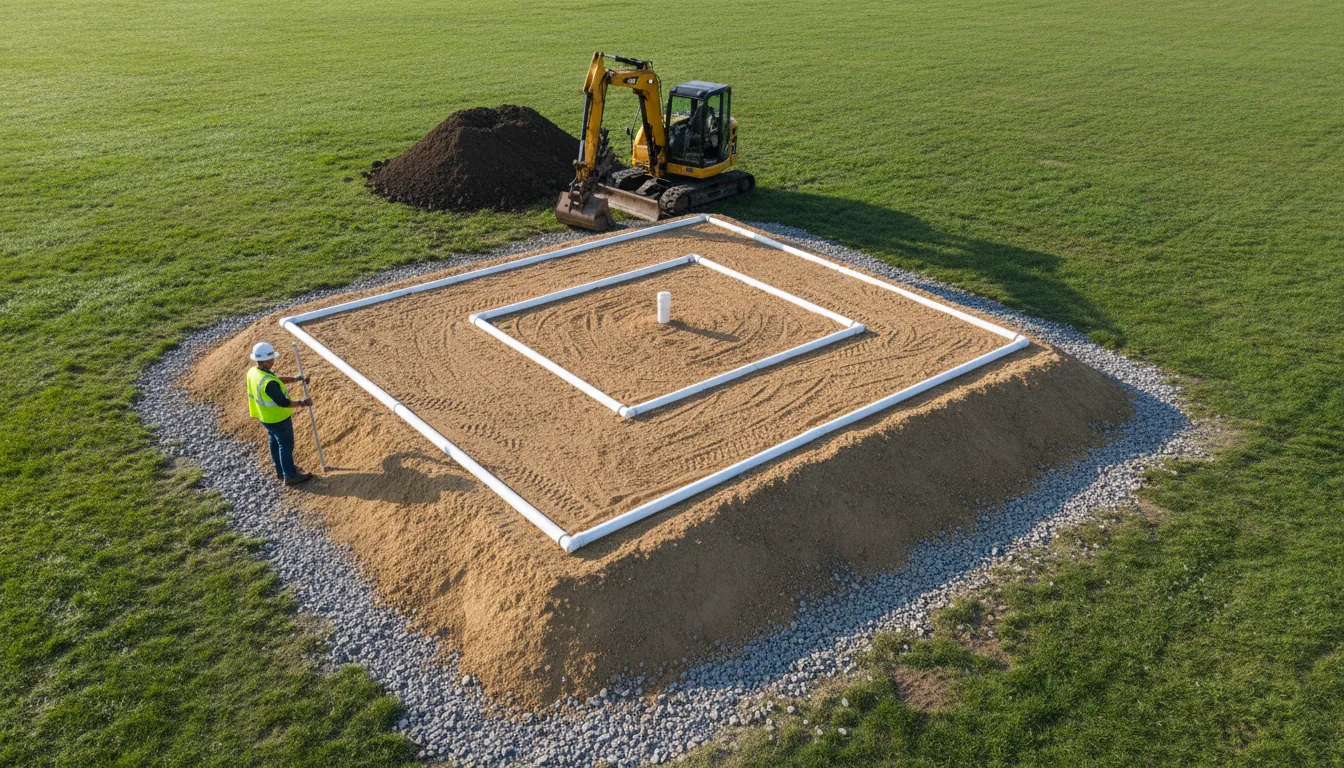
When soil absorbs water too slowly, a conventional drain field can’t disperse effluent at the rate your household produces it. Clay or silty soils with percolation rates outside the acceptable range for gravity fed leach fields require an alternative system. A mound septic system installation raises the treatment area above the problem soil and uses engineered sand fill to filter waste and effluent before it reaches the native ground.
Your property has a high water table:
Saturated soil near the surface prevents proper sewage treatment. If your monitoring well or test pit reveals groundwater within a few feet of grade, a conventional subsurface absorption field will experience failure. Mound systems create the vertical separation between the distribution pipes and the water table that regulations demand, reducing contamination risk.
Bedrock sits close to the surface:
Shallow bedrock leaves no room for a standard trench or gravel bed system. The mound design builds upward, constructing a sand lined treatment zone on top of the existing terrain. This gives effluent enough contact time with filtering media to decompose organic matter and reduce pathogens before discharge, helping ensure safe waste processing.
Your existing septic system has failed:
A backed up, waterlogged, or non compliant drain field often can’t be repaired in place. If your inspector has flagged a failing system and the site conditions won’t support a conventional replacement, mound septic system installation is the proven remediation path. This issue needs professional attention.
You're building on a challenging lot:
New construction on rural or suburban parcels with permeable surface layers but impermeable subsoils, steep grades, or tight setbacks to wells and riparian zones frequently requires an engineered mound system from the start. We assess, design, and install the right system before you pour your foundation, ensuring your house plumbing connects to a reliable wastewater solution.
Our Mound Septic System Installation Process
Mound septic system installation is a multi phase project that demands precision at every stage. Here’s how A-1 Bill Gibson Septic Service completes each installation from start to finish.
Site evaluation and soil testing
We excavate test pits and perc holes across the proposed mound location. Our crew conducts percolation tests, examines the soil profile for texture and layering, and measures the depth to groundwater and bedrock. We also survey setback distances to wells, property lines, structures, and surface water. This evaluation helps ensure we understand your property’s needs.
System design and permitting.
Using site data, we develop an engineered mound system plan that specifies tank size, pump chamber capacity, dosing schedule, sand fill depth, aggregate type, distribution pipe diameter and layout, and overall mound dimensions. We submit this plan to the health department and obtain all required permits before breaking ground.
Excavation and tank installation.
We excavate for the septic tank and pump chamber, set precast concrete or polyethylene tanks, and connect the building sewer line reaching from your house. Inlet and outlet baffles, tee fittings, risers, and access lids are installed and sealed watertight.
Mound construction.
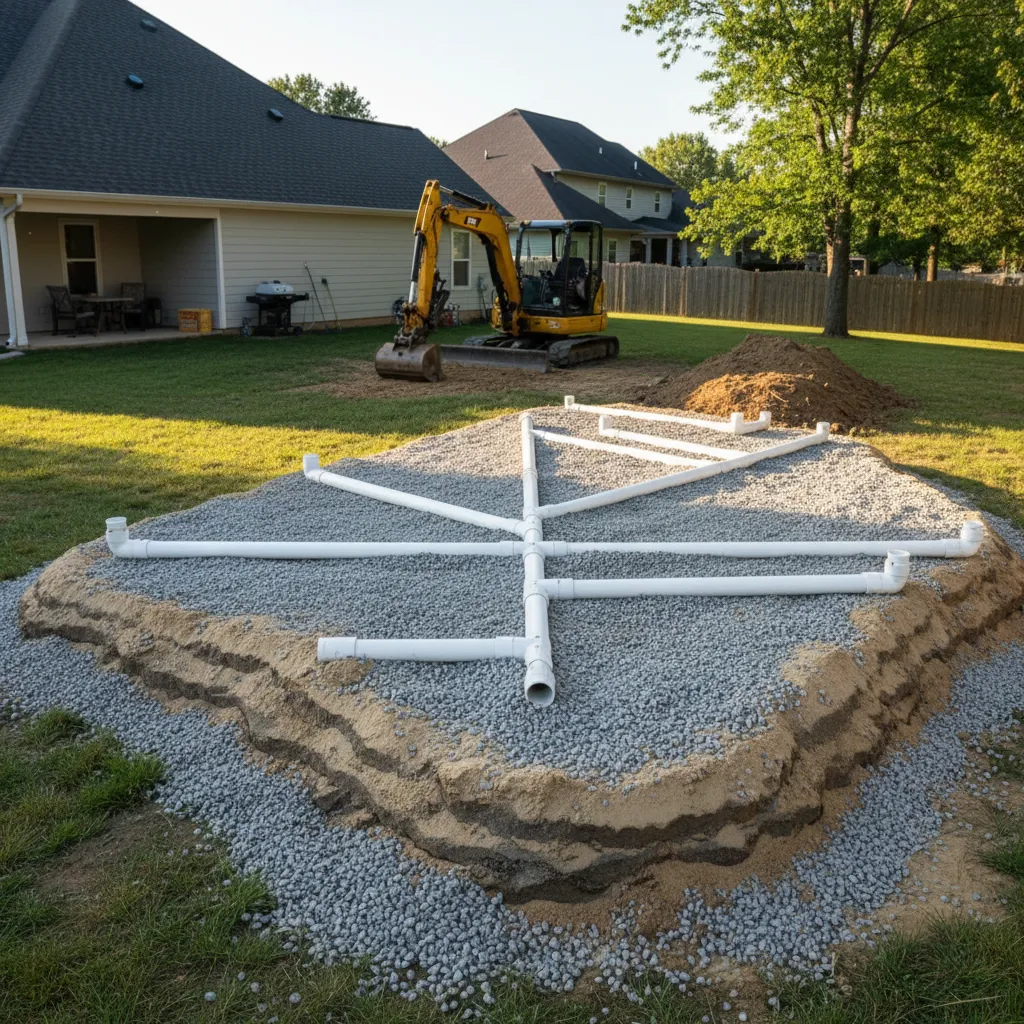
Our crew prepares the basal area, places geotextile fabric, and builds the mound layer by layer. We spread washed gravel, lay perforated distribution piping, cover with aggregate, and cap with sand fill. Each layer is graded and compacted to design specifications. Proper pressure testing is involved at each stage.
Connection, testing, and commissioning
We connect the effluent pump, wire the control panel and septic alarm, and run the full system through timed dosing cycles. We verify even distribution, check for leaks, confirm float switch operation, and complete a final inspection with the local authority. You receive as-built drawings and a maintenance guide. In short, we don’t stop until everything works perfectly.
Brands We Use
A-1 Bill Gibson Septic Service installs mound septic systems using trusted, top rated components from manufacturers known for durability and performance in demanding wastewater applications.








Every component we install meets or exceeds local code standards. Your safety and your groundwater quality depend on the brands behind the build.
Other Services
Mound septic system installation
Mound system install
Elevated sand mound septic design
Mound septic installer near me
Septic mound builder
Engineered mound wastewater system
Mound septic system cost
Mound drain field installation
Sand filter mound septic construction
Residential mound septic installation
Alternative septic system install
High water table septic solution
Professional mound system contractor
Licensed mound septic installer
Raised septic mound for poor soil
Ready to Schedule Your Service?
Get upfront pricing and expert service from Florida’s trusted septic professionals.
FAQs About Mound Septic System Installation
What is a mound septic system?
A mound septic system is an engineered wastewater treatment system designed to build an elevated sand and gravel absorption field above the natural ground surface. It treats and disperses effluent from your septic tank through a pressurized distribution network within the mound. This design works on properties where conventional subsurface drain fields can’t function due to high water tables, shallow bedrock, or poorly draining clay soil.
When do I need a mound septic system installation?
You need a mound system when your perc test results, soil profile, or groundwater depth disqualify your property for a conventional gravity fed leach field. Your local health department or code enforcement office will specify when an alternative system like a mound is required based on site conditions and regulatory standards. We can help you understand your property’s needs.
How long does mound septic system installation take?
Most residential mound system installations take between five and ten working days, depending on site preparation, weather, soil conditions, and permit inspection scheduling. Larger or more complex engineered systems may require additional time for grading, compaction, and commissioning.
Can a mound septic system be installed on a small lot?
It depends on setback requirements. Mound systems need minimum distances from wells, property lines, buildings, and surface water. A-1 Bill Gibson Septic Service surveys your lot and determines whether a mound system fits within the required setbacks before we begin design work. We ensure every installation meets local regulations.
How does a mound septic system treat wastewater?
Effluent flows from the septic tank to a dosing or pump chamber. The pump delivers timed doses of effluent through pressurized perforated pipes inside the mound. Sewage and waste percolate downward through layers of sand and gravel, where aerobic and anaerobic bacteria decompose organic matter, filter solids, and reduce pathogens before the treated water absorbs into the native soil below. This process helps enhance treatment quality and prevent contamination of groundwater and nearby plants.
Does a mound septic system require maintenance?
Yes. You should have the septic tank pumped every three to five years, inspect the pump chamber and float switches annually, and monitor the mound surface for signs of saturated soil or effluent surfacing. A-1 Bill Gibson Septic Service provides scheduled maintenance and inspection services to keep your mound system compliant and fully operational. Regular maintenance delivers real value by extending system life and preventing failure.