
Septic Line Root Removal
Professional root clearing and extraction for clogged, root-bound septic lines throughout your service area – request service for emergency response to protect your property from water damage and sewage cleanup issues
Licensed & Insured Florida Contractors
24/7 Emergency Response Statewide
Upfront Pricing – No Hidden Fees
Full Service Guarantee & Written Reports
5 Highlights on Septic Line Root Removal
Expert Root Detection and Camera Inspection
Our trained technicians use sewer cameras and electronic locators to pinpoint root intrusion in lateral lines, drainpipes, and distribution boxes. We help diagnose the exact location and severity of leak issues before cutting a single root.
Hydro-Jetting and Mechanical Rooter Service
We deploy high-pressure hydro-jetters and professional augers to cut, sever, and extract root masses from PVC pipe, clay pipe, and cast iron pipe. Our equipment scours the full interior diameter of each line.
Chemical Root Treatment and Prevention
After clearing the obstruction, we apply copper sulfate and foaming root killer to degrade remaining fibrous roots and discourage regrowth inside your septic sewer line. This treatment helps you maintain healthy pipes and avoid damage from future root intrusion.
Complete Lateral Line and Drain Field Clearing
Root-bound perforated pipes in your leach field restrict effluent flow and cause surfacing, ponding, and flooding. Standing water in the impacted area creates conditions that can lead to damage across your property. We remove root balls from every lateral line and restore proper percolation to your absorption field.
Emergency and Routine Root Removal
Backed-up septic lines don’t wait for business hours. A-1 Bill Gibson Septic Service provides emergency water and root removal with same-day service alongside preventative maintenance plans that keep your system flowing year-round. Whatever your situation, our rapid response handles the problem.
Why Choose Our Septic Line Root Removal
Septic line root removal is a specialized service that demands the right equipment, training, and field experience. A-1 Bill Gibson Septic Service is a licensed and insured company that has built a trusted reputation as a top-rated septic contractor by delivering reliable, thorough root clearing and plumbing services for residential and commercial systems. Our expert help is just a call away.
Our technicians are qualified to operate hydro-jetters, mechanical snakes, and sewer camera systems. They understand the difference between a fibrous root infiltrating a cracked joint and a tap root that has collapsed a section of clay pipe. That distinction matters. It determines whether we clear the line or recommend repairs – including sewer repair, water line repair, or complete line replacement.
We carry professional-grade rooters and high-pressure jetting rigs on every truck. No subcontracting. No guesswork. We camera-inspect the line before and after every root removal job so you see exactly what we found and what we cleared. Our efficiency means faster clean up and minimal disruption to your property.
A-1 Bill Gibson Septic Service stands behind every job with a satisfaction guarantee. We comply with local health department regulations and hold all required permits for septic system service and repair services. Our cost is upfront with transparent billing, and many homeowners insurance policies may have this work covered. We explain every step before we start work.
When tree roots invade your septic lines, you need a qualified team that can locate, cut, extract, and treat the problem in a single visit. We handle every situation until the job is completed, helping you save time and avoid extensive damage. That’s what we do best.
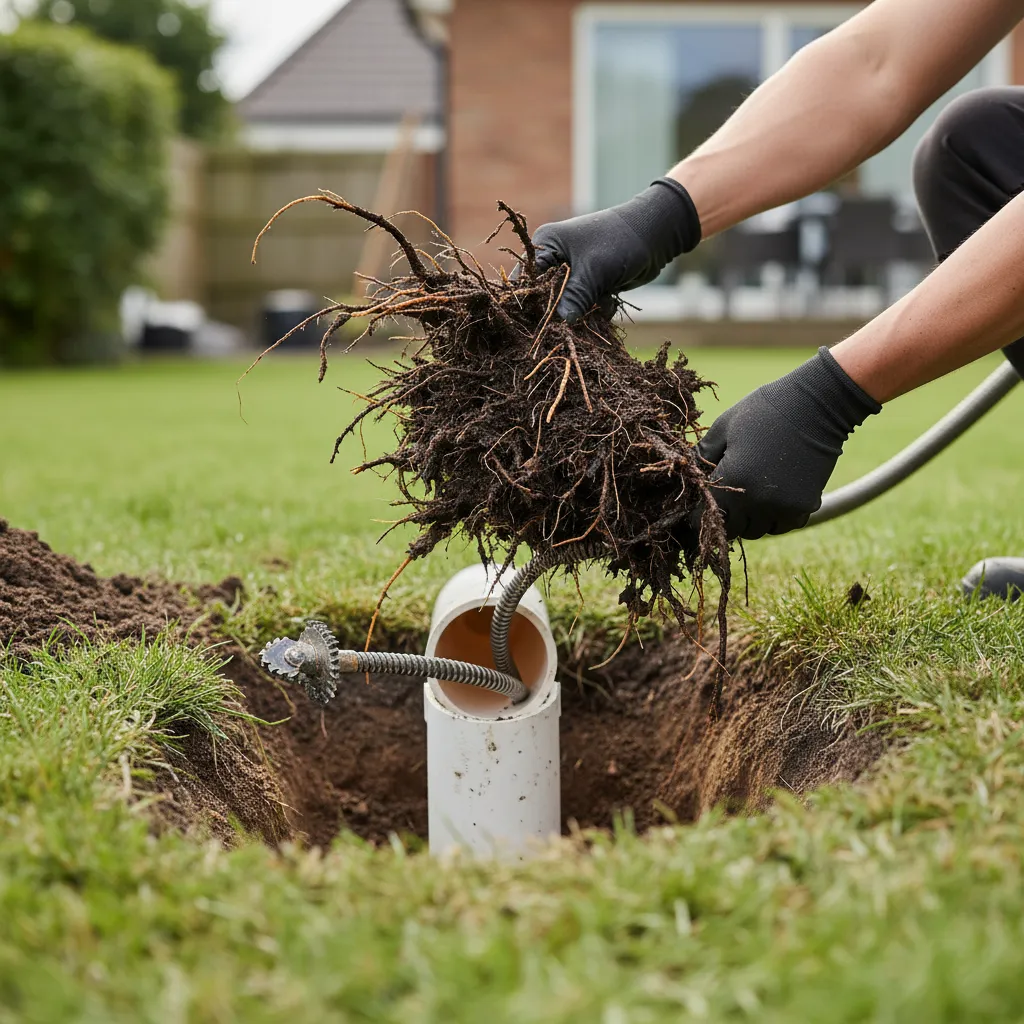
Need Emergency Septic Service?
Our 24/7 emergency team responds quickly across all of Florida. Don’t wait for a small problem to become a disaster.
Signs You Need Septic Line Root Removal
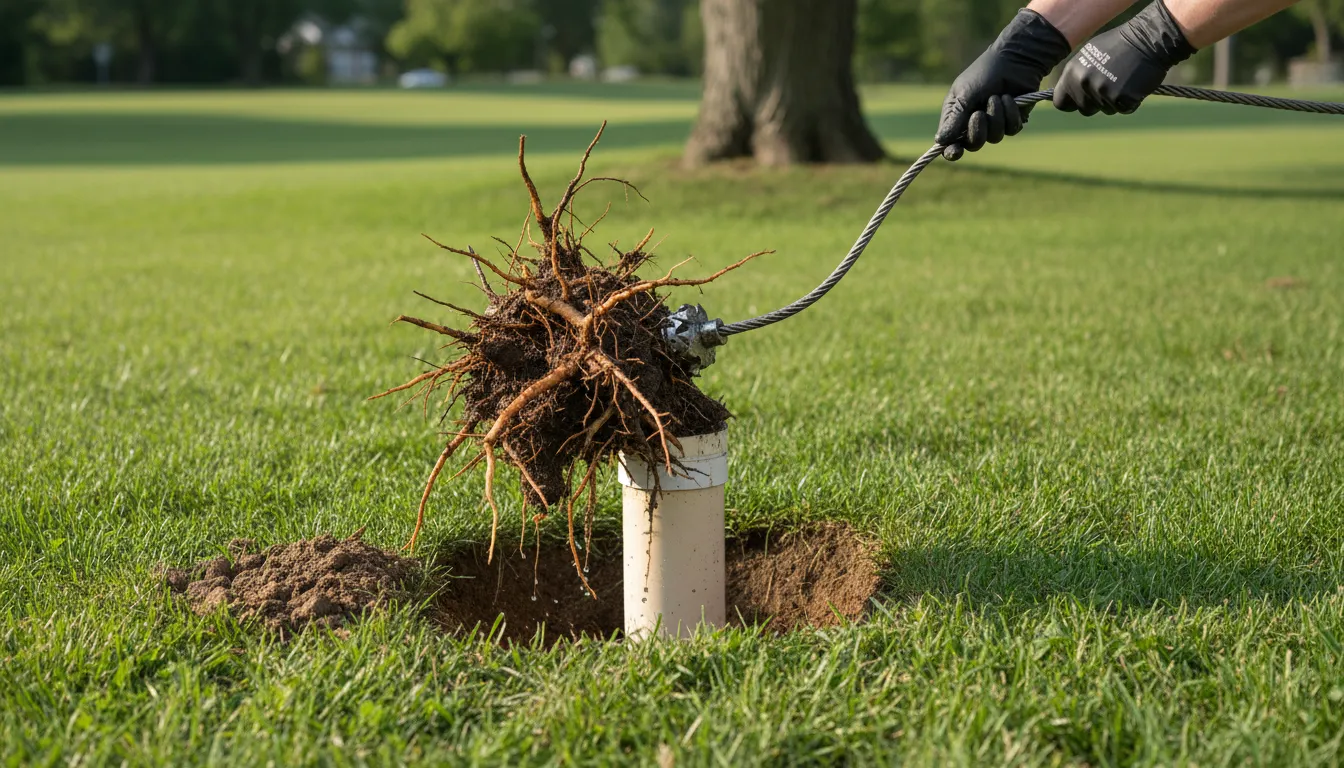
Slow Drains Throughout the House:
A single slow drain usually points to a localized clog – a small problem with leaks at one fixture. When every fixture in your home drains sluggishly, root intrusion in the main sewer line or septic inlet pipe is a likely cause. Fibrous roots grow through cracks and joints, gradually obstructing the pipe until wastewater barely passes through. Left untreated, this can lead to major damage.
Sewage Backup and Overflow:
Blackwater backing up into floor drains, toilets, or tubs signals a serious blockage. Toilet overflow and sewage backup require immediate sewage cleanup and water damage restoration. Root masses inside your drainpipe can create a complete obstruction that forces sewage to reverse direction. This is an emergency situation requiring immediate water removal. Backed-up sewage poses a contamination and health hazard that demands immediate root removal and flood cleanup.
Foul Odors Near the Septic Tank or Drain Field:
Malodorous gases like hydrogen sulfide and methane escape when roots breach pipe joints or crack septic tank risers. If you detect a persistent foul smell near your access port, cleanout, leach field, or crawl space, root penetration has likely compromised the line’s integrity. Leaky connections and damaged pipes release these gases into the surrounding soil and air.
Wet, Spongy Ground Over the Leach Field:
Ponding and surfacing effluent above your absorption field often indicate root-bound lateral lines. When roots infiltrate perforated pipes, they block the distribution of wastewater into the gravel bed and surrounding soil. The effluent has nowhere to go, so it rises to the surface – a serious incident that can result in basement water intrusion and carpet water damage if the system backs up into your home.
Gurgling Sounds in Plumbing Fixtures:
Gurgling toilets and drains indicate trapped air caused by a partial blockage. Tree roots growing inside your septic sewer line create irregular obstructions that disrupt normal flow and trap gas pockets. These sounds worsen over time as the root mass expands. Ignoring these warning signs can eventually lead to a burst pipe and extensive damage to your property.
Our Septic Line Root Removal Process
Septic line root removal at A-1 Bill Gibson Septic Service follows a structured, step-by-step approach that ensures complete clearing and long-term results. When you request our day service, here is what to expect.
Initial Assessment and Cleanout Access
Our technician arrives, reviews your system layout, and locates the nearest cleanout or access port. We discuss your symptoms and system history before opening the line.
Sewer Camera Inspection
We feed a high-resolution inspection camera through the drainpipe to identify the root intrusion point, measure the extent of the root mass, and check for cracked, corroded, or collapsed pipe sections. The camera footage guides every decision we make.
Mechanical Root Cutting
Using a professional auger or rooter with cutting blades, we sever and dislodge the root ball from the pipe wall. For heavy root masses in larger sewer lines, we use a roto-root machine that cuts through dense, fibrous growth.
High-Pressure Hydro-Jetting
After mechanical cutting, we hydro-jet the line to scour remaining root fragments, flush debris, and clean the interior pipe surface. The pressurized water stream clears residual buildup of sludge, grease, and biomat. Once complete, your lines will drain properly and the impacted area can dry completely.
Chemical Root Treatment
We apply foaming root killer or copper sulfate inside the pipe to degrade any remaining root tissue and create a chemical root barrier that inhibits regrowth for months.
Post-Clearing Camera Verification
We run the sewer camera through the line a second time to confirm full clearance, document the pipe’s condition, and identify any sections that may need future repair, water line replacement, or new components we can install.
Brands We Use
A-1 Bill Gibson Septic Service uses professional-grade equipment and products from trusted manufacturers to deliver the best septic line root removal results.





Every product we use meets EPA guidelines and local health department standards.
Other Services
septic line root removal
septic pipe root clearing
tree root septic tank clog
root removal septic system
root extraction drain line
fibrous root intrusion sewer pipe
septic root cutting service
roto-root septic line
hydro-jet root blockage septic
drain field root removal
leach field root clearing
root-bound lateral line repair
septic sewer line root service
root intrusion septic pipe
camera inspect root damage septic
Ready to Schedule Your Service?
Get upfront pricing and expert service from Florida’s trusted septic professionals.
FAQs About Septic Line Root Removal
What is septic line root removal?
Septic line root removal is the process of cutting, extracting, and clearing tree roots that have infiltrated your septic drainpipes, sewer lines, lateral lines, or distribution box connections. Technicians use mechanical augers, hydro-jetters, and chemical treatments to restore full flow through root-bound pipes and protect your property from damage.
When should I schedule root removal for my septic lines?
Schedule root removal as soon as you notice slow drains, sewage backups, gurgling fixtures, foul odors near your septic tank, wet spots over your drain field, basement leak issues, or any signs of ceiling leak or roof damage that might indicate plumbing problems. Annual camera inspections can also detect early-stage root intrusion before a full blockage develops.
Why do tree roots invade septic lines?
Tree roots seek moisture and nutrients. Your septic pipes carry warm, nutrient-rich wastewater that attracts root growth. Condensation on pipes also draws roots toward the moisture source. Roots penetrate through cracked joints, corroded fittings, and small breaches in clay pipe, cast iron pipe, and even PVC connections. Once inside, they expand rapidly.
How does hydro-jetting remove roots from septic pipes?
A hydro-jetter sends a high-pressure water stream through the pipe at thousands of PSI. The pressurized jet cuts through fibrous roots, flushes severed root fragments downstream, and scours the pipe interior clean of biomat, sludge, and grease buildup.
Can root removal damage my septic pipes?
Professional root removal performed by a qualified technician will not damage structurally sound pipes. Our crew camera-inspects every line before and after clearing to assess pipe condition. If we find cracked, collapsed, or severely corroded sections, we recommend targeted repair or replacement rather than aggressive cutting. We also work with homeowners insurance and offer direct insurance billing options for covered repairs.
Does chemical root treatment prevent regrowth?
Foaming root killer and copper sulfate treatments degrade remaining root tissue inside the pipe and create a chemical barrier that discourages new growth. These treatments are not permanent. We recommend reapplication every 6 to 12 months as part of a preventative maintenance plan to keep your septic lines clear. Regular maintenance may also be required by some insurance policies to maintain coverage.