
Septic Pump & Float Switch Replacement
Professional pump and float switch replacement solutions that keep your septic system running right – trusted plumbing services from a company that gets the task completed on time
Licensed & Insured Florida Contractors
24/7 Emergency Response Statewide
Upfront Pricing – No Hidden Fees
Full Service Guarantee & Written Reports
5 Highlights on Septic Pump & Float Switch Replacement
Expert Diagnosis of Pump Failures
Our qualified technicians use advanced diagnostics to inspect your submersible pump, impeller, motor, and piggyback plug, detecting and assessing the exact cause of failure before recommending a septic pump replacement.
Precision Float Switch Replacement
We replace faulty mercury switches, diaphragm switches, and tether style float switches that regulate pump cycling in your pump chamber or dosing tank, using top quality components to ensure reliable operation.
Same Day Emergency Service
A malfunctioning float switch can trigger sewage overflow or alarm activation. We respond fast to emergencies and provide prompt service to prevent wastewater backup into your home or saturated drain field conditions.
Complete Pump Chamber Service
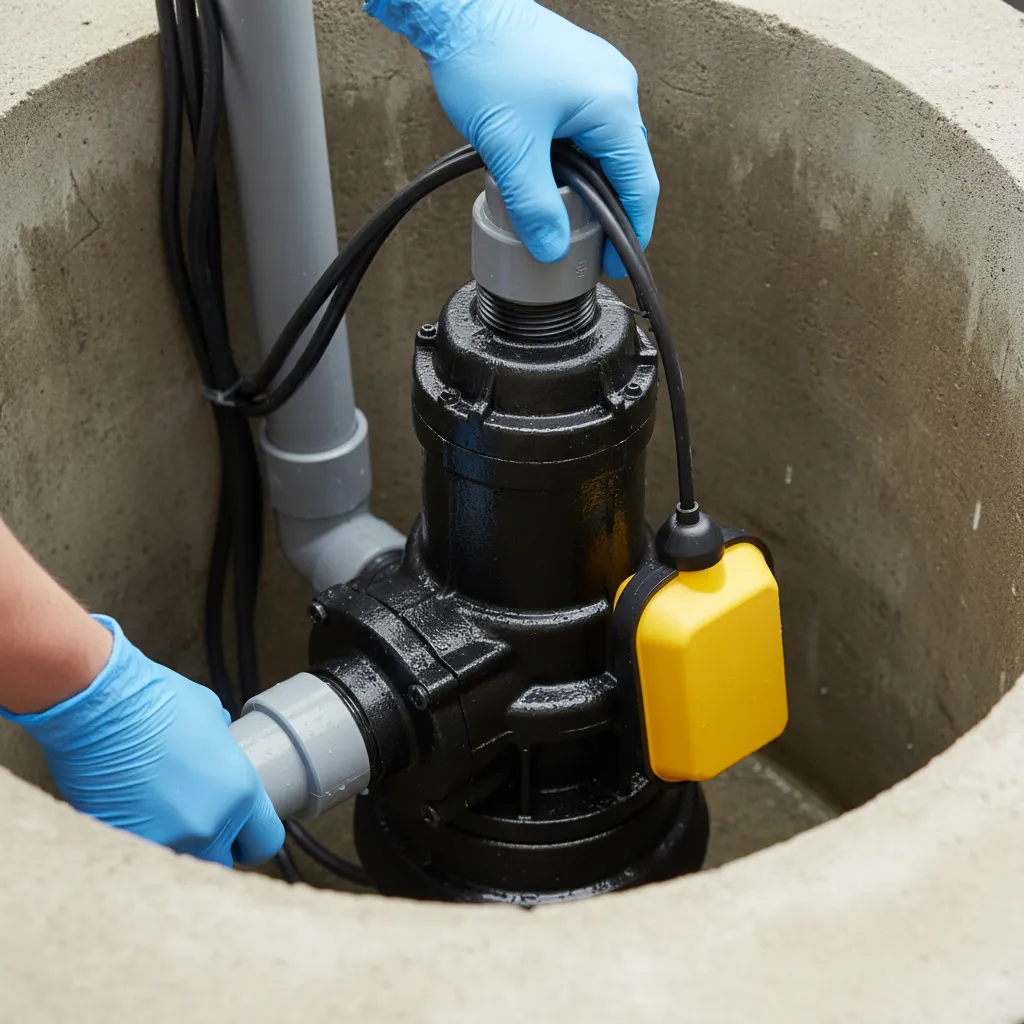
Every septic pump replacement includes a full inspection of the pump basin, check valve, ball valve, PVC pipe connections, line services, wiring harness, and junction box for corroded or degraded components. We also offer cleaning services to remove buildup.
Residential and Commercial Systems
We serve residential and business customers with gravity fed systems, pressurized effluent systems, mound systems, and dosing tank configurations across all property types with trusted, professional workmanship.
Why Choose Our Septic Pump & Float Switch Replacement
Septic pump and float switch replacement is one of the most common plumbing repairs we perform at A-1 Bill Gibson Septic Service. As a trusted company in the industry, we’ve built our reputation on getting it done right the first time.
Our team carries manufacturer certifications and years of hands on experience with submersible effluent pumps, sewage ejector pumps, and every float switch type on the market. We don’t guess. We use our knowledge to diagnose the problem, explain your options, and recommend the correct replacement components for your specific system.
We stock professional grade pumps and float switches on our service trucks for maximum efficiency. That means faster repairs and fewer return visits. When your pump alarm sounds at midnight and you have an issue, you won’t wait days for a part to arrive.
Every septic pump replacement we perform comes with a written workmanship guarantee. We also provide a warranty on the equipment we install according to each manufacturer’s terms. We offer a detailed invoice showing exactly what we replaced, why we replaced it, and what to expect going forward.
A-1 Bill Gibson Septic Service is fully licensed and insured. We follow all local codes for electrical connections, pump installation, and general plumbing work. Our pricing is upfront with no hidden fees. We treat your property with respect and leave the work area clean when we’re finished – customer satisfaction is our top priority.
Need Emergency Septic Service?
Our 24/7 emergency team responds quickly across all of Florida. Don’t wait for a small problem to become a disaster.
Signs You Need Septic Pump & Float Switch Replacement
Septic pump and float switch problems don’t fix themselves. Catching the warning signs early saves you from costly sewer backups, drain field damage, and hazardous overflow conditions. When an issue is discovered quickly, it can often be fixed before major damage occurs.
Your Septic Alarm Keeps Going Off:
The alarm system on your control panel activates when wastewater in the pump chamber rises above the high level mark. A faulty float switch can trigger false alarms, or a failing pump may not cycle on to lower the effluent level. Either way, repeated alarms mean something in the pump chamber no longer works properly and needs replacement.
Sewage Is Backing Up Into Your Home:
Slow drains, gurgling pipes, and raw sewage surfacing in basement drains or lower level fixtures point to a pump that can no longer discharge effluent to the drain field. The submersible pump motor may be burned out, or the impeller could be clogged with sludge and solids. In some cases, drain cleaning or line repair may also be needed.
Standing Water Over Your Septic Field:
When the dosing pump fails, effluent stops flowing to the distribution box and lateral lines. Wastewater pools in the pump chamber and eventually saturates the soil absorption area unevenly, creating wet spots and odorous conditions above the leach field. A damaged sewer line can cause similar symptoms.
The Pump Runs Continuously Without Shutting Off:
A waterlogged or malfunctioning float switch won’t deactivate the pump when the effluent level drops. Continuous operation burns out the motor, overheats wiring, and dramatically shortens pump life. This is one of the most common reasons homeowners need a full septic pump replacement.
You Hear the Pump Humming but Nothing Moves:
A humming motor with no discharge means the impeller is seized, the check valve is stuck, or the pump is trying to operate against a clogged line. Continued operation in this state will destroy the motor windings and require complete submersible pump replacement.
Our Septic Pump & Float Switch Replacement Process
Septic pump and float switch replacement follows a structured process that ensures a reliable, long lasting repair. Every project is completed with attention to detail.
System Assessment
We locate and open the access lid or riser over your pump chamber. Our technician checks the alarm system, control panel, and float switch operation using camera inspection when needed to determine whether the pump, the float switch, or both components need replacement.
Pump Chamber Inspection
We inspect the pump basin for sludge buildup, corroded fittings, damaged PVC pipe, and deteriorated wiring in the underground plumbing. The check valve, ball valve, and piggyback plug all get tested. We note any secondary issues that could affect the new installation.
Removal of Failed Components
We disconnect the electrical supply, detach the wiring harness, and remove the old submersible pump or float switch from the pump chamber with minimal disruption to your property. Damaged check valves and corroded connectors come out at the same time. Our low mess approach means less digging and cutting than traditional methods.
Installation and Wiring
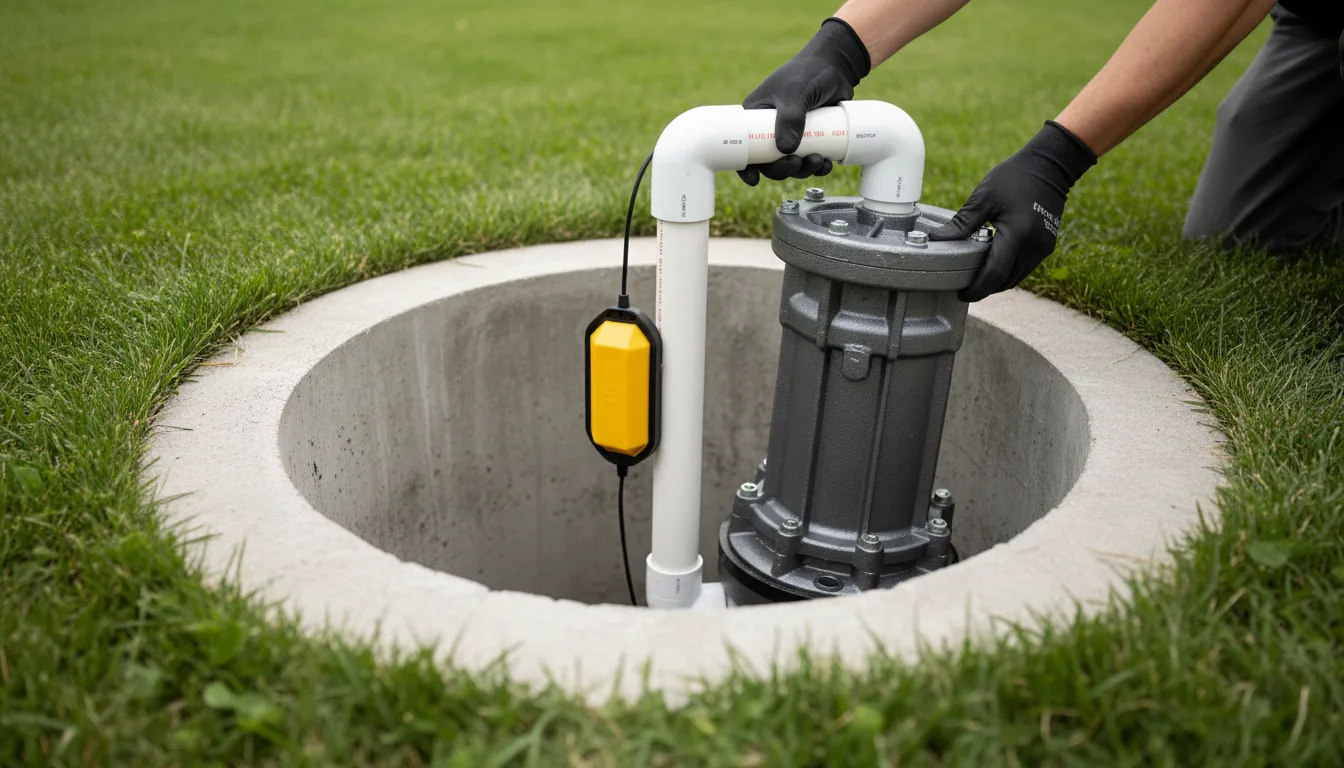
We install the new pump and float switch, connect all PVC piping, secure the check valve, and wire everything to the control panel and junction box. Float switch positioning is set to the correct activation and deactivation levels to ensure your system’s dosing requirements are met.
Testing and Verification
We cycle the new pump through multiple activation sequences to confirm proper operation. We verify discharge flow to the distribution box, perform leak detection at every connection, test pressure levels, and confirm the alarm system responds correctly to high level conditions.
Brands We Use
Septic pump and float switch replacement demands components built for underground, submerged, and continuous duty conditions. We install only professional grade equipment from manufacturers with proven track records in the wastewater industry.








Every pump and float switch we install meets or exceeds UL safety standards.
Other Services
Septic pump replacement
Effluent pump replacement
Submersible pump installation septic
Float switch replacement septic
Septic float switch repair
Pump chamber float switch service
Septic pump repair service
Sewage pump replacement
Wastewater pump motor replacement
Septic system pump installation
Dosing pump replacement
Pump chamber inspection and repair
Septic alarm pump not working
Septic pump failure
Float switch malfunction septic tank
Ready to Schedule Your Service?
Get upfront pricing and expert service from Florida’s trusted septic professionals.
FAQs About Septic Pump & Float Switch Replacement
What does a septic pump do?
A septic pump is a submersible motor driven unit that sits inside your pump chamber or dosing tank. It moves effluent from the septic tank to the drain field, distribution box, or mound system when gravity alone can’t handle the job. The pump activates and deactivates based on signals from the float switch, working alongside your sewer line to manage waste properly.
When should I replace my septic pump?
Most submersible septic pumps last 7 to 15 years depending on usage, maintenance, and water volume. Replace your pump when it fails to discharge effluent, runs continuously, trips the alarm repeatedly, or makes grinding and humming noises without moving wastewater. Issues with your water line or high water usage can also shorten pump lifespan.
Why does my float switch keep failing?
Float switches fail from waterlogging, grease and sludge buildup on the tether or diaphragm, corroded wiring connections, and simple mechanical wear. Kitchen waste and grease from cooking contribute to buildup. Skipping routine pump chamber inspections and cleaning accelerates float switch degradation.
How long does a septic pump and float switch replacement take?
A straightforward septic pump and float switch replacement typically takes 2 to 4 hours. Systems with corroded piping, damaged wiring harnesses, or difficult access may require additional time for excavation and component replacement. If line replacement is also needed, the task may take longer.
Can I replace just the float switch without replacing the pump?
Yes. If the submersible pump motor and impeller are still functional, we can replace only the faulty float switch. Our technicians test the pump independently during diagnosis to confirm whether a standalone float switch replacement will solve the problem. We always recommend the most cost-effective plumbing solutions for your situation.
Does a septic pump replacement require a permit?
Permit requirements vary by municipality. Some jurisdictions require permits for electrical work associated with pump replacement and sewer services. A-1 Bill Gibson Septic Service handles all permit coordination and ensures every installation meets local code requirements.