
Holding Tank Pumping
Professional holding tank pumping keeps your property safe, sanitary, and compliant with local health regulations. Our trusted team provides reliable solutions for homeowners and commercial clients, helping you prevent backups, avoid water damage, and maintain comfort throughout your home or business.
Licensed & Insured Florida Contractors
24/7 Emergency Response Statewide
Upfront Pricing – No Hidden Fees
Full Service Guarantee & Written Reports
5 Highlights on Holding Tank Pumping
Full vacuum truck service
Our pump trucks arrive equipped with high capacity suction lines and discharge hoses to drain your holding tank completely, removing all sewage, sludge, and accumulated solids in a single visit. Our advanced tools and technology ensure efficient drainage and minimal disruption to your property.
Scheduled pumpout programs
We set up recurring holding tank pumping appointments based on your tank size, household usage, and local health department requirements so you never face an overflow emergency. This proactive maintenance approach helps reduce problems, prevent costly repairs, and keep your system running smoothly.
Licensed and certified technicians
Every pumper on our crew holds current certification and carries the permits required to haul septage to approved disposal sites and treatment plants in your area. Our trained and experienced technicians bring expert knowledge and professional handling to every job.
Residential and commercial service
We pump holding tanks for single family homes, mobile homes, cabins, commercial properties, and portable sanitary units across our full service territory. Whether you are a homeowner or business owner, we serve residents and commercial clients with the same reliability and care.
24 hour emergency response
Overflowing holding tanks can’t wait. Our vacuum trucks are ready to roll for emergency pumping when sewage backs up, alarms trigger, or float switches signal a full tank. Call us anytime and we respond quickly to fix urgent issues and restore your system to proper working condition.
Why Choose Our Holding Tank Pumping
Holding tank pumping is a job that demands the right equipment, proper licensing, and real field experience. A-1 Bill Gibson Septic Service has been draining and hauling wastewater for decades. We own and operate our own vacuum trucks. That means faster response times, lower costs, and no subcontractors on your property. As a trusted service provider, our company handles every challenge with expertise and efficiency.
Our technicians inspect every holding tank during each pumpout. They check the inlet pipe, the tank lid, the access port, and the alarm system. They look for cracks, corrosion, and signs of leaky seals. Our diagnostics and troubleshooting help detect leaks and pinpoint any conditions that need attention. You get a written report after every service call.
We transport all septage and biosolids to licensed disposal sites and treatment plants. Every load we haul meets regulatory and compliant standards set by your local health department. We carry full insurance and maintain all required hauler permits. You can trust our team to provide professional services that ensure lasting reliability for your wastewater system.
Pricing stays straightforward. We charge by the tank, not by the hour. No hidden fees for mileage, no surprise surcharges for weekend calls. We quote the price before we pump. Contact us by phone or send a request through our form to get an accurate cost estimate for your specific range of services.
A-1 Bill Gibson Septic Service stands behind every pumpout. If your holding tank isn’t drained to your satisfaction, we come back and finish the job at no extra charge. That warranty on our work, along with clear communication and customer satisfaction, has kept our customers loyal for years. Reach out to learn more about our offer to assist you with any holding tank needs.
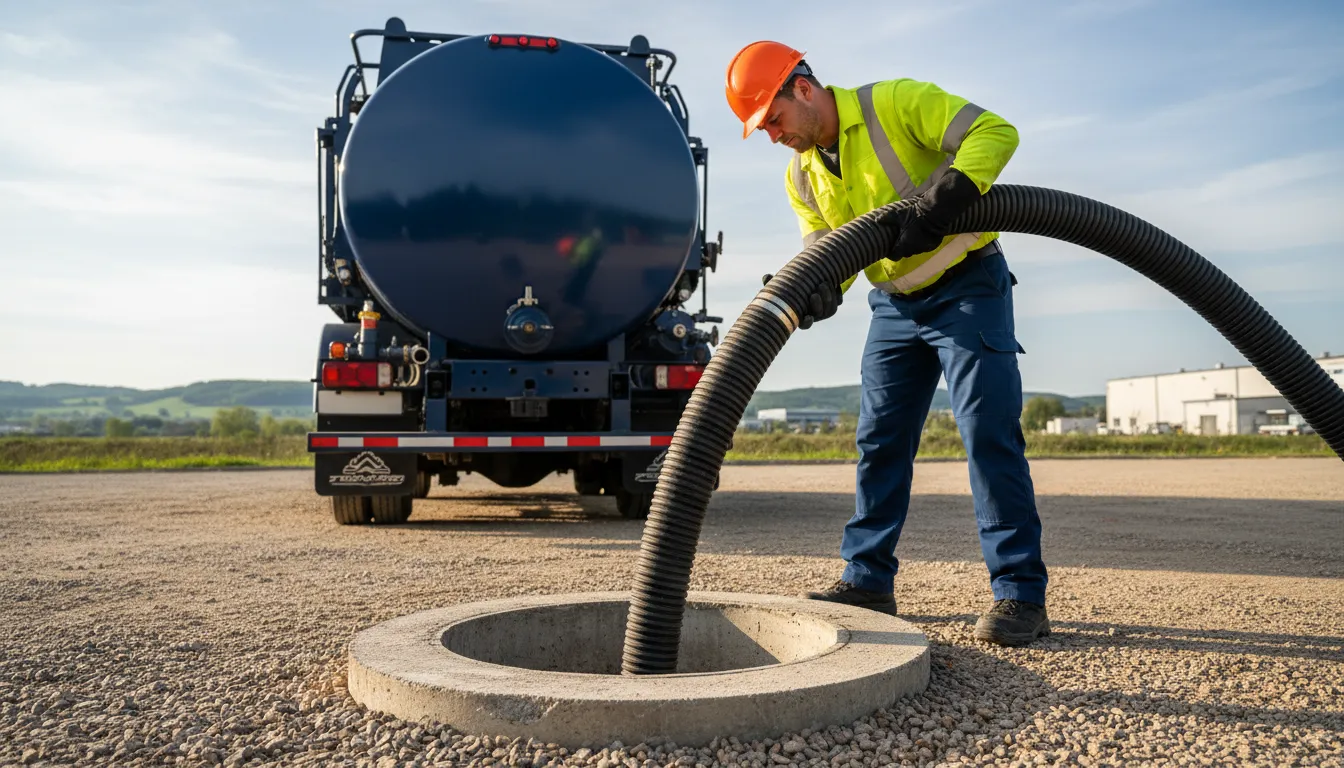
Need Emergency Septic Service?
Our 24/7 emergency team responds quickly across all of Florida. Don’t wait for a small problem to become a disaster.
Signs You Need Holding Tank Pumping
Your alarm system is going off:
Most holding tanks have a float switch connected to an audible or visual alarm. When the wastewater level reaches the preset high point, that alarm activates. This is the clearest signal that your tank needs pumping right away. Ignoring it risks raw sewage backing up into your home through drainpipes and cleanout ports, potentially causing water damage to your bathroom, kitchen, and other areas.
Drains are running slow throughout the building:
A full holding tank creates backpressure in your plumbing system. Toilets flush sluggishly. Sinks take longer to drain. Showers pool at your feet. These symptoms show up in every fixture at once, which separates a full tank from a single clogged line. A clog or drainage issue in a single pipe behaves differently from systemwide problems caused by a full tank.
Foul, odorous smells near the tank or inside the home:
Sewage gases contain hydrogen sulfide and methane. When your holding tank reaches capacity, those gases seep through the vent pipe, the access port, and any corroded seals on the tank lid. The stagnant, foul smell is unmistakable and signals that pumping is overdue. These conditions require immediate attention to restore comfort and safety to your home.
Standing water or saturated ground around the tank:
Holding tanks are sealed, watertight vessels. If you see wet, soggy soil or pooling water above the buried tank, the container may be overflowing or the tank walls may be cracked. A professional pumper can drain the tank and inspect it for structural damage during the pumpout. Our leak detection expertise helps assess and diagnose these issues so we can recommend the right repair or replacement solutions.
It's been longer than your scheduled pumping interval:
Holding tanks collect all wastewater with no drain field or leach field to disperse effluent. They fill up based on daily water usage. A family of four typically needs holding tank pumping every three to six weeks. If you’ve lost track of your last service date, it’s time to call. Regular maintenance helps extend the longevity of your system and prevent complex problems down the road.
Our Holding Tank Pumping Process
Holding tank pumping is a systematic process that our crew follows on every service call. Our trained team uses tailored solutions to handle each job with care and expertise.
Locate and access the tank
Our technician finds the manhole, riser, or access port on your holding tank. If the lid is buried, we excavate down to it. We remove the tank lid and visually inspect the wastewater level, the scum layer, and any visible solids. This initial inspection helps us assess the conditions inside your tank.r and removes the tank lid carefully to avoid damaging the seal. Finding the tank quickly is making the difference between a smooth job and unnecessary delays.
Set up the vacuum truck
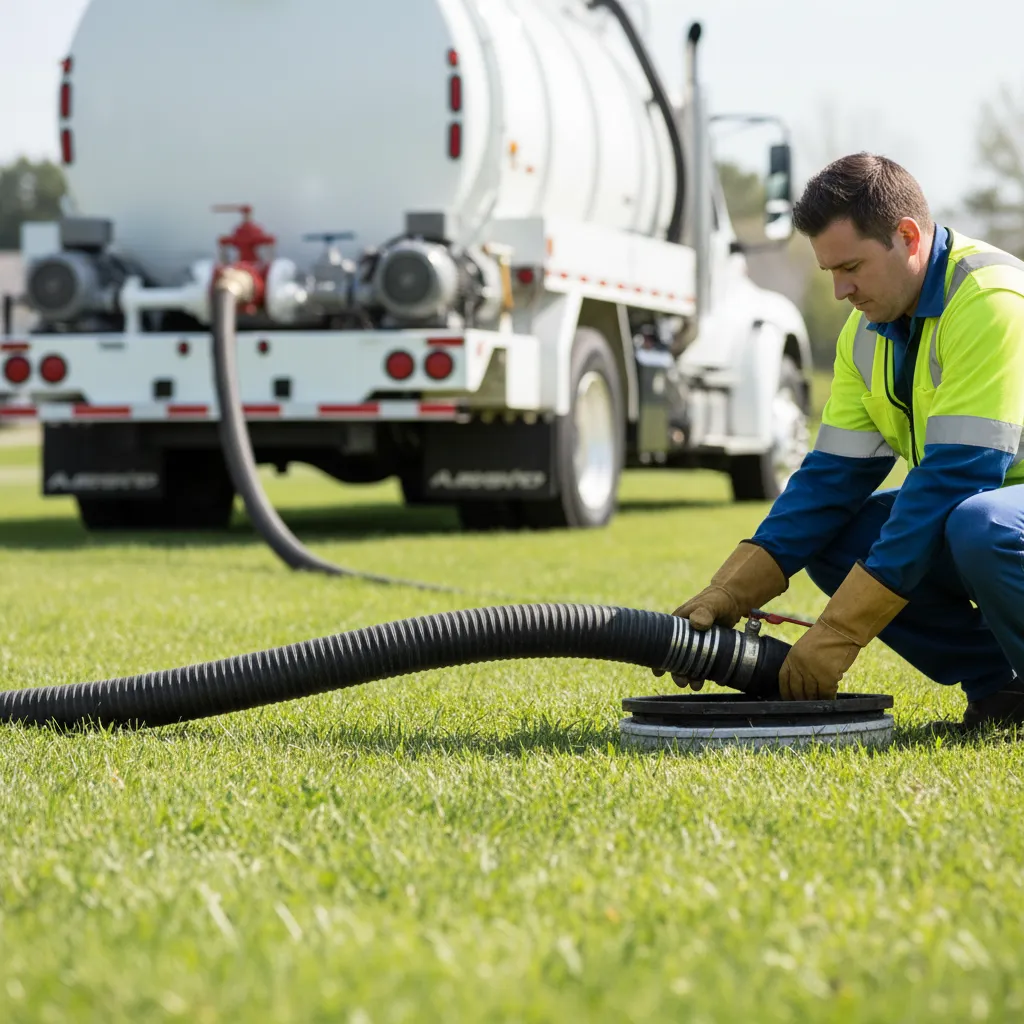
We position the pump truck as close to the holding tank as possible. The operator connects the suction line from the truck to the tank opening. We verify all hose connections are secure before starting the vacuum pump. Our advanced technology and quality materials ensure smooth, efficient operation.
Pump the tank
The vacuum truck draws out all sewage, sludge, blackwater, and accumulated solids. Our technician agitates the bottom of the tank with the suction hose to dislodge settled particulate and compact sludge. We pump until the tank is completely empty. For tanks with grease buildup or heavy solids, we may use jetting to help with cleaning and ensure thorough removal.
Inspect the tank interior
With the tank drained, our technician checks the inlet pipe, the baffle, the tank walls, and the floor for cracks, corrosion, or damage. We test the float switch and alarm system to confirm they’re functioning. Our inspections help detect and pinpoint any leaks or issues in your pipes and faucets connections before they become bigger problems.
Seal and document
We replace the tank lid, secure the access port, and backfill any excavated soil. You receive a written service record showing the date, gallons pumped, tank condition, and the licensed disposal site where we transport the septage. Our feedback and documentation help you keep track of maintenance and plan for future service.
Brands We Use
Holding tank pumping requires dependable equipment and quality replacement parts. A-1 Bill Gibson Septic Service trusts these top rated brands on every job:








Every piece of equipment we operate meets current safety and regulatory standards.
Other Services
Holding tank pumping
Holding tank pumpout
Sewage tank vacuum service
Holding tank cleaning
Holding tank draining
Wastewater removal residential
Holding tank service
Holding tank emptying
Septic hauler near me
Pump holding tank
Vacuum holding tank
Blackwater tank pumping
Holding tank maintenance
Holding tank inspection
Licensed septage hauling
Ready to Schedule Your Service?
Get upfront pricing and expert service from Florida’s trusted septic professionals.
FAQs About Holding Tank Pumping
What is holding tank pumping?
Holding tank pumping is the process of using a vacuum truck to suction all sewage, wastewater, and solids out of a sealed underground holding tank. Unlike a septic tank connected to a drain field, a holding tank stores everything until a licensed hauler pumps it out and transports the septage to an approved disposal site or treatment plant. This service helps maintain proper drainage and prevent backups in your home or business.
When should I schedule holding tank pumping?
Pumping frequency depends on your tank size and daily water usage. A 1,000 gallon holding tank serving a household of four typically needs pumping every three to six weeks. Your alarm system and float switch will alert you when the tank reaches capacity, but scheduling regular pumpouts prevents emergencies. Contact us to request a maintenance schedule tailored to your household’s water line usage.
Why does my holding tank fill up so fast?
High water usage is the most common reason. Running multiple loads of laundry, long showers, and leaky fixtures all add volume quickly. Leaks in your toilet, sink, or faucets can also contribute to faster fill rates. A certified technician can measure your daily flow and recommend a pumping schedule that matches your actual usage. We can also help with drain cleaning and fixing any water heater or plumbing issues that may be wasting replacement water.
How long does a holding tank pumpout take?
Most residential holding tank pumping jobs take 30 to 60 minutes from setup to completion. Larger commercial tanks or tanks with heavy sludge buildup may take longer. Our crew handles everything on site, including inspection and documentation. We work to ensure minimal disruption to your daily routine while completing the job smoothly and efficiently.
Can I pump my own holding tank?
No. Local health departments require that a licensed and permitted hauler pump, transport, and dispose of septage. Improper disposal of raw sewage carries fines and creates serious contamination risks to groundwater and soil. A-1 Bill Gibson Septic Service holds all required permits for safe, compliant holding tank pumping. As a trusted provider in Florida, we install, fix, and maintain wastewater systems for homeowners and businesses throughout our service area.
Does holding tank pumping include an inspection?
Yes. Every pumpout from A-1 Bill Gibson Septic Service includes a visual inspection of the tank interior, the inlet pipe, the baffle, the float switch, and the alarm system. We document the tank’s condition and flag any repairs you may need. Our thorough inspections help diagnose problems early so you can address them before they turn into costly emergencies. We are here to help you maintain your system and keep it running smoothly for years to come.