
Septic Tank Replacement
Professional septic tank replacement for homeowners and commercial properties across our Florida service area – your trusted service provider for complete installation services
Licensed & Insured Florida Contractors
24/7 Emergency Response Statewide
Upfront Pricing – No Hidden Fees
Full Service Guarantee & Written Reports
5 Highlights on Septic Tank Replacement
Full excavation and removal
Our crews use heavy equipment to dig out failing, cracked, or collapsed septic tanks using backhoes and excavators, then haul away all old concrete, fiberglass, or polyethylene materials for proper disposal at certified facilities. We minimize time on your property while ensuring thorough removal.
Precast and reinforced tank installation
We install new septic tanks sized to your household or commercial demand, selecting the right tank size based on gallons of daily usage. We connect inlet pipes, outlet pipes, baffles, and effluent filters to meet current health department codes.
Distribution box and drain field integration
Every septic tank replacement includes inspection of your existing distribution box, lateral lines, leach field, and drain field area to confirm the new tank connects properly to your subsurface drainage system and supports proper flow.
Permit coordination and soil testing
Our licensed septic contractors handle all permit applications, percolation testing, site evaluation, and soil evaluations required by local health departments before any ground gets broken.
Backfill, grading, and site restoration
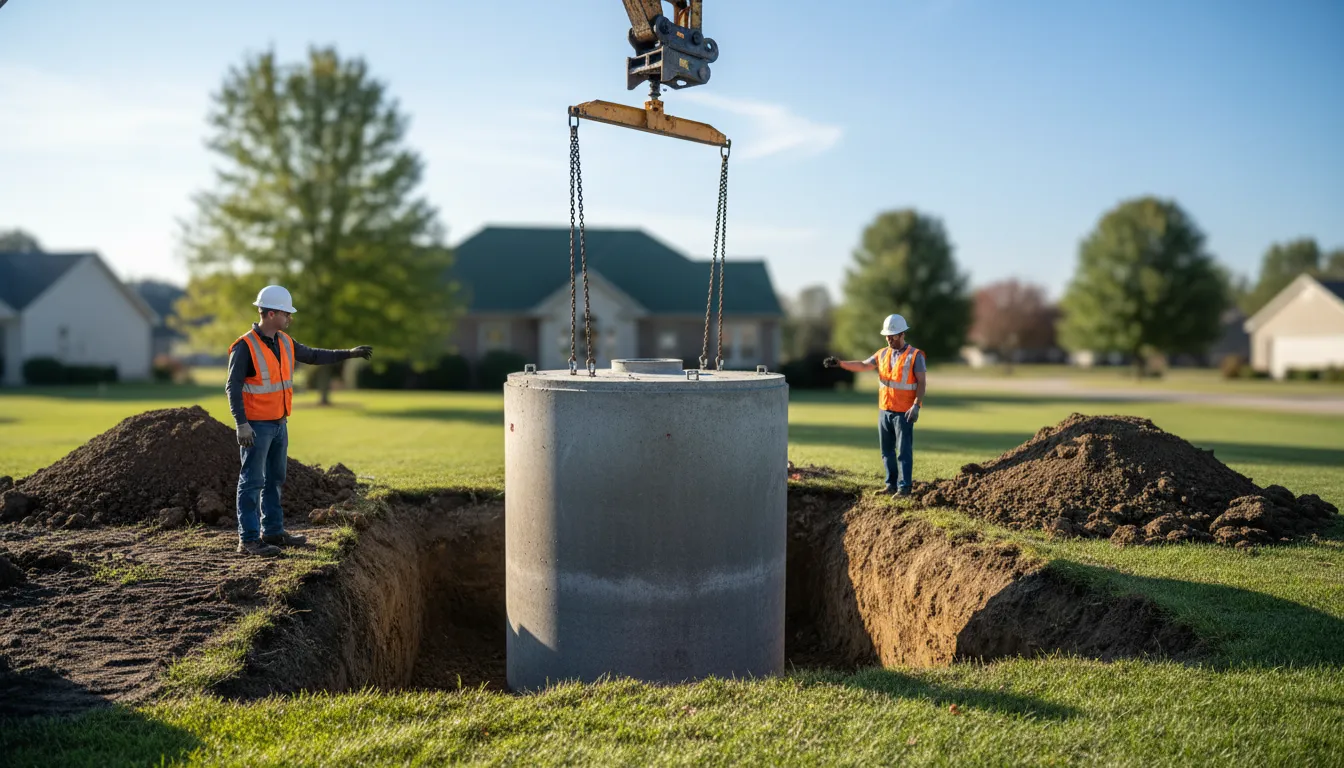
After we set and connect the new tank, we backfill with approved materials including sand, compact the soil, and grade your yard to direct surface water and rainfall away from the septic system. Grass and landscaping can be restored once everything settles.
Why Choose Our Septic Tank Replacement
Septic tank replacement is a major investment in your property’s wastewater infrastructure, but it helps you avoid costly system failure down the road. A-1 Bill Gibson Septic Service has built a trusted reputation by replacing failing septic systems with precision, speed, and full regulatory compliance.
Our team holds all required state and local licenses for septic and plumbing services. Every septic contractor on our crew carries certification in tank installation, soil assessment, and wastewater system design. We don’t subcontract the work. The same qualified professionals who conduct your site evaluation also excavate, install, and inspect the finished system.
We stand behind every replacement with a written workmanship guarantee. That means if a connection leaks, a baffle shifts, or a riser seal fails within the warranty period, we come back and fix these issues at no charge. Proper installation also reduces future maintenance needs.
Pricing stays transparent from the first estimate. We break down every cost – tank unit, excavation, pipe fittings, permit fees, labor, backfill material, and hauling – so you see exactly where your money goes. Our rates are competitive, and we offer financing options to help manage the total costs. No surprise charges show up on the final invoice.
Our pump trucks and vacuum trucks run daily across the Florida service area, so scheduling a replacement fits your timeline, not ours. Contact us for same-day estimates when urgent situations arise. We coordinate directly with health department inspectors to keep your project moving without delays. From the initial soil test to the final inspections, A-1 Bill Gibson Septic Service delivers a professional septic tank replacement you can count on for decades.
Need Emergency Septic Service?
Our 24/7 emergency team responds quickly across all of Florida. Don’t wait for a small problem to become a disaster.
Signs You Need Septic Tank Replacement
Septic tank replacement becomes necessary when repairs can no longer restore safe, compliant operation. A thorough tank inspection can reveal the true condition of your system. Here are five detailed warning signs that your tank may fail or has already reached the end of its service life and is no longer functioning properly.
Persistent sewage backups into the home:
When raw blackwater or greywater backs up through floor drains, toilet fixtures, kitchen sinks, or tee fittings despite repeated pumping, the tank itself may be structurally compromised. A backup or clog that keeps returning often points to deeper issues. A cracked or collapsed tank can’t hold volume or allow solids to settle properly, and no amount of unclogging will solve a structural failure in your plumbing system.
Visible ground saturation near the tank:
Soggy, saturated soil directly above or around the buried tank signals a breach in the tank wall, often accompanied by foul odors. Effluent seeping through corroded concrete or fractured fiberglass causes contamination of the surrounding soil and poses a risk to groundwater. This kind of leak creates environmental protection concerns and won’t seal on its own.
Tank age exceeding 30 years:
Older concrete tanks deteriorate from hydrogen sulfide gas exposure, which corrodes the interior walls and weakens baffles. Components wear out over time even with routine maintenance and proper tank maintenance. Obsolete designs often lack modern effluent filters, risers, and access lids, making them impossible to maintain to current standards.
Failed inspection results:
When a licensed inspector documents a failing system – noting cracks wider than a quarter inch, a collapsed baffle, or a compromised inlet pipe – most health departments require full replacement rather than patchwork repair. These defects affect the entire system and prevent safe operation.
Chronic overloading and overflow:
A tank that overflows repeatedly, even after being pumped on schedule, is undersized for your current water usage or has lost capacity due to irreversible sludge buildup and structural deformation. Heavy use of garbage disposals and grease from kitchen drains can accelerate this problem. Replacing the tank with a correctly sized unit based on household size eliminates the cycle of emergency pump calls and overflow events.
Our Septic Tank Replacement Process
Septic tank replacement follows a structured sequence that protects your property and satisfies all code requirements. Our goal is to get your new system operating properly and running smoothly as quickly as possible.
Site survey and soil testing
We visit your property to locate the existing tank, map setbacks from wells, structures, and trees, and perform a percolation test. We also check for roots that may have intruded into the system. Soil permeability results determine what tank type and drain field configuration your available space supports.
Permit application
Our office submits all required paperwork to the local health department, including site plans, soil test data, and system specifications. We handle every request for additional documentation. We don’t dig until the permit is approved and posted.
Tank pumping and decommission
A vacuum truck pumps out all remaining sewage, sludge, and effluent. We then disconnect the old inlet pipe, outlet pipe, and any connected distribution box lines. The old tank – along with any residual chemicals or waste – gets crushed in place or extracted whole, depending on material and site access.
Excavation and installation
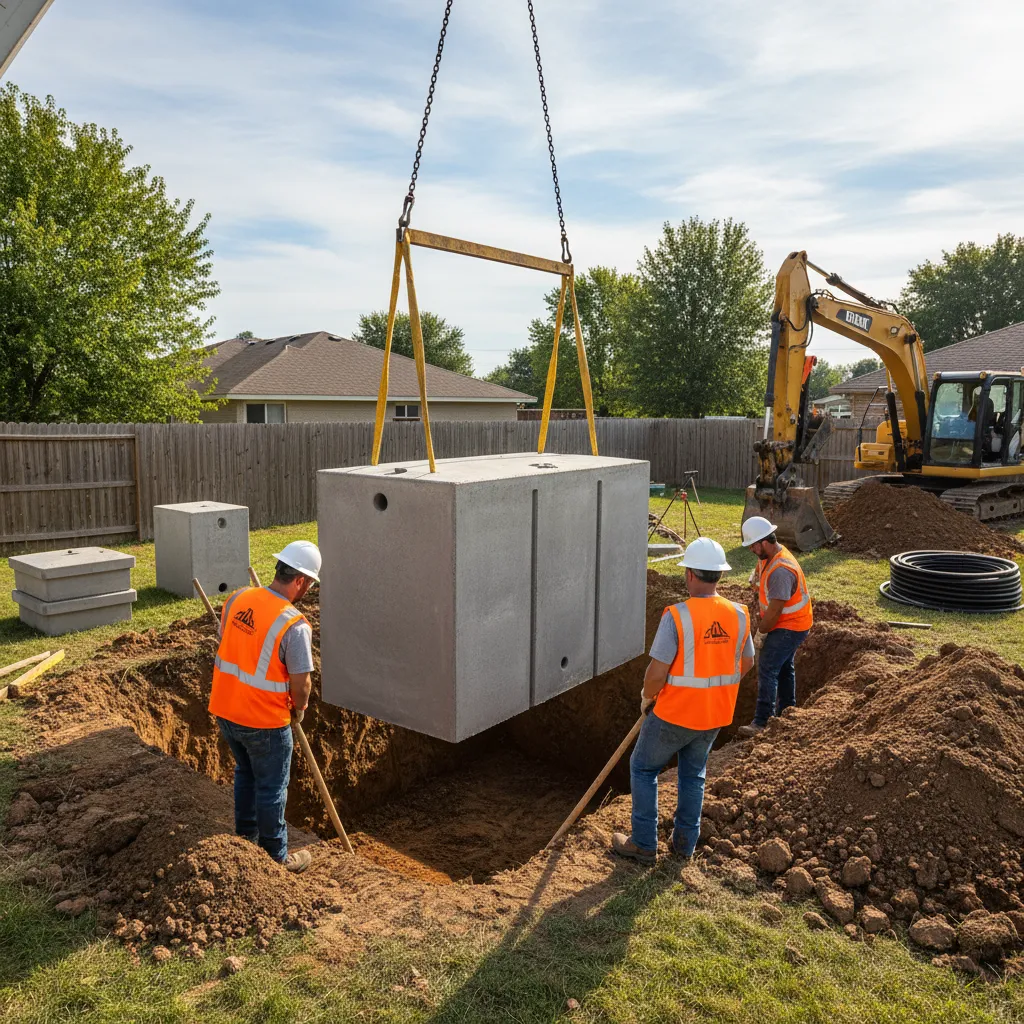
Our excavator digs the new tank pit to the engineered depth and dimensions. We set the precast or fiberglass tank on a leveled gravel bed, connect all PVC piping, install baffles, effluent filters, risers, and access lids, then verify every joint and seal. For aerobic systems, we also install the aeration components at this stage.
Haul and dispose.Inspection, backfill, and grading
A health department inspector reviews the open installation. Once approved, we backfill around the tank with clean fill, compact the soil in lifts, and grade the surface to promote proper drain and drainage away from the system.
Brands We Use
Septic tank replacement demands materials built to last underground for decades. A-1 Bill Gibson Septic Service installs products from these top rated manufacturers:







Every product we install meets or exceeds IAPMO, ASTM, and CSA standards.
Other Services
septic tank replacement
replace septic tank
new septic tank installation cost
septic tank replacement cost
septic system replacement
how much to replace a septic tank
residential septic tank replacement
home septic tank replacement
concrete septic tank replacement near me
septic tank replacement service
professional septic replacement
old septic tank removal and replacement
septic tank replacement near me
local septic tank replacement
failing septic system replacement permit
Ready to Schedule Your Service?
Get upfront pricing and expert service from Florida’s trusted septic professionals.
FAQs About Septic Tank Replacement
What is septic tank replacement?
Septic tank replacement is the complete removal of a failing, cracked, or obsolete underground tank and the installation of a new, code compliant unit. For homeowners, the process includes pumping, decommissioning, excavation, new tank placement, pipe connections, and backfill with final grading.
When should I replace my septic tank?
You should replace your septic tank when it shows structural failure – cracks, corrosion, a collapsed baffle, or repeated overflow despite regular pumping. Tanks older than 25 to 30 years often need replacement even without visible failure, because over time internal deterioration compromises safe wastewater treatment.
Why can't I just repair a damaged septic tank?
Some damage goes beyond repair. A corroded concrete tank with multiple cracks, a deformed polyethylene shell, or a collapsed inlet section can’t be patched to meet health department standards. Replacing the entire tank gives you a structurally sound system with a full service life ahead of it. Note that homeowner insurance typically does not cover septic replacement, though some policies may help with damage caused by a failed system.
How long does a septic tank replacement take?
Most residential septic tank replacements take two to three days from excavation to final inspection. The time required for permit processing may add one to three weeks depending on your local health department’s review schedule.
Can I stay in my home during septic tank replacement?
Yes. We connect temporary waste handling when needed so your household plumbing stays functional. You’ll want to reduce water usage from sinks, showers, and appliances on the day we disconnect and reconnect the main sewer line, but full service resumes once the new tank passes inspection.
Does a new septic tank require a permit?
Every septic tank replacement requires a permit from the local health department. A-1 Bill Gibson Septic Service handles the entire permit process, including soil testing, site plans, and inspector coordination, so you don’t have to manage the paperwork yourself. Send us a message or call to get started.