
Drain Field Services
Professional drain field inspection, repair, and installation for residential and commercial septic systems
Licensed & Insured Florida Contractors
24/7 Emergency Response Statewide
Upfront Pricing – No Hidden Fees
Full Service Guarantee & Written Reports
5 Highlights on Drain Field Services
Expert Drain Field Inspection and Diagnosis
Our certified septic professionals probe, camera-inspect, and evaluate every lateral line, distribution box, and gravel bed to pinpoint failing or saturated absorption areas before they contaminate groundwater or cause sewage backups on your property. We help diagnose issues early so you can prevent costly emergency repairs and environmental contamination.
Full Drain Field Repair and Restoration
We remediate clogged, compacted, and biomat-choked leach fields using professional jetting, backflushing, and aeration techniques that restore percolation rates and extend the functional life of your subsurface wastewater system. Our experienced technicians clear blockages caused by roots, grease, and liquid waste buildup to get your system functioning smoothly again.
New Drain Field Installation and Replacement
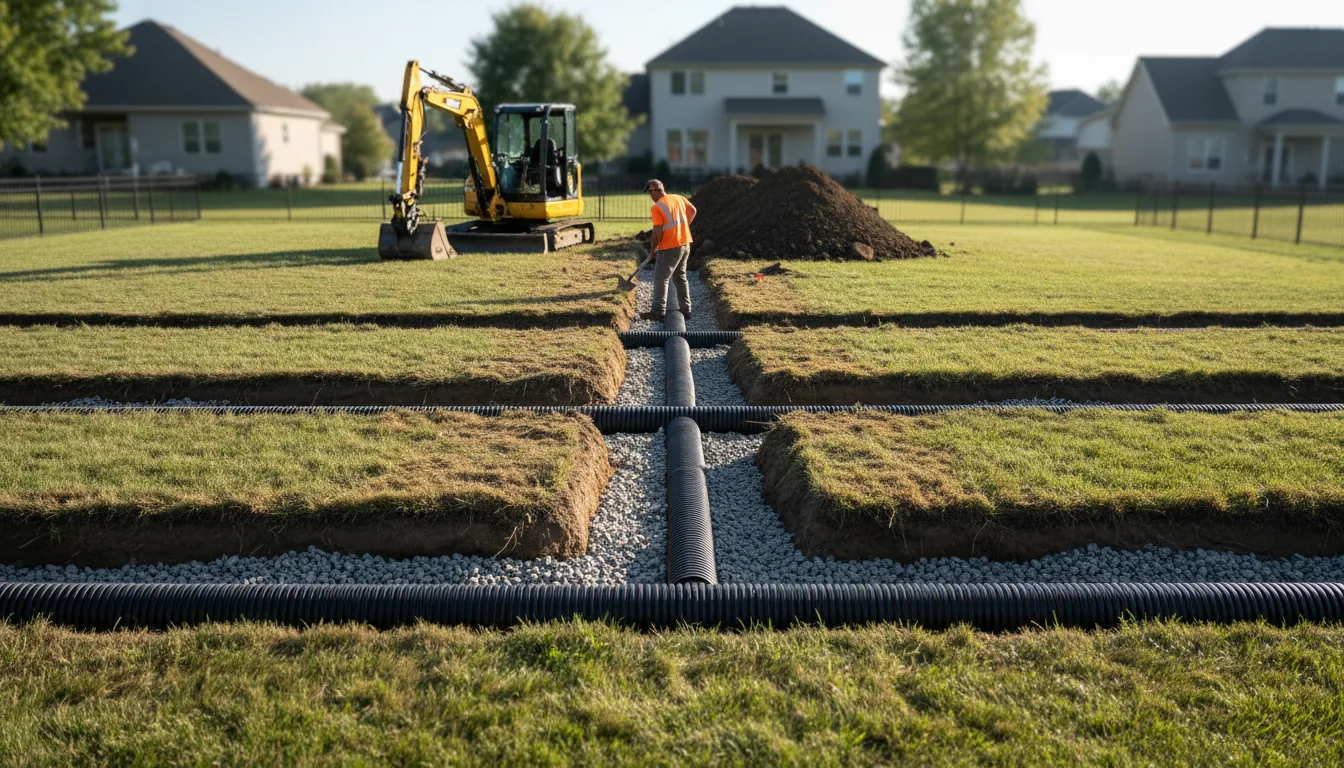
Our licensed crews excavate, trench, grade, and install conventional gravity-fed systems, mound systems, chamber systems, and pressurized drip irrigation fields built to local septic permit specifications and soil conditions. Every system we install is designed for optimal natural filtration and environmental protection.
Distribution Box and Lateral Line Service
We inspect, repair, and replace D-boxes, perforated pipes, header pipes, and tee fittings to ensure effluent disperses evenly across every trench and gravel bed in your absorption field. Our company uses snakes and specialized equipment to clear sewer line blockages and provide complete plumbing services when needed.
Drain Field Maintenance Programs
Scheduled effluent filter cleaning, dosing pump checks, and percolation monitoring keep your drain field drainable, compliant, and free from overloaded or undersized performance failures year after year. Regular servicing helps maintain your system and prevent common issues from occurring.
Why Choose Our Drain Field Services
Drain field services from A-1 Bill Gibson Septic Service are backed by decades of hands-on septic system work across residential and commercial properties. We don’t guess. We probe, test, and camera-inspect your leach field before recommending any repair or replacement. Our customer service team is ready to respond to your request and provide a free estimate with transparent pricing.
Our team holds current licensing and certification for septic system installation, repair, and decommissioning. Every technician on our crew understands soil permeability, water table depth, and local code requirements that affect how your absorption field performs. We carry full insurance and pull every required septic permit before breaking ground. You can trust our experienced professionals to care for your house and property with the highest quality workmanship.
We own our own vacuum trucks, pump trucks, jetters, and excavation equipment. That means faster response times and lower costs passed directly to you. No subcontractors. No middlemen. No surprise charges. As a locally owned company, we offer the benefit of personalized customer care and a commitment to environmental safety.
A-1 Bill Gibson Septic Service guarantees our drain field work in writing. If a lateral line we installed fails or a distribution box we repaired leaks within our warranty period, we come back and fix it at no additional cost. We stand behind every trench we dig, every pipe we lay, and every gravel bed we build.
Our customers call us the most trusted septic professionals in the area. We’ve earned that reputation one drain field at a time. Contact us today to learn how we can help with your septic and sewer system needs.
Need Emergency Septic Service?
Our 24/7 emergency team responds quickly across all of Florida. Don’t wait for a small problem to become a disaster.
Signs You Need Drain Field Services
Drain field problems rarely appear overnight. They build slowly, and by the time you notice them, your leach field may already be failing. Here are five warning signs that tell you it’s time to call a qualified septic professional. Recognizing these common issues early can help you prevent a complete system failure and reduce risk to your environment.
Soggy or Standing Water Over the Drain Field:
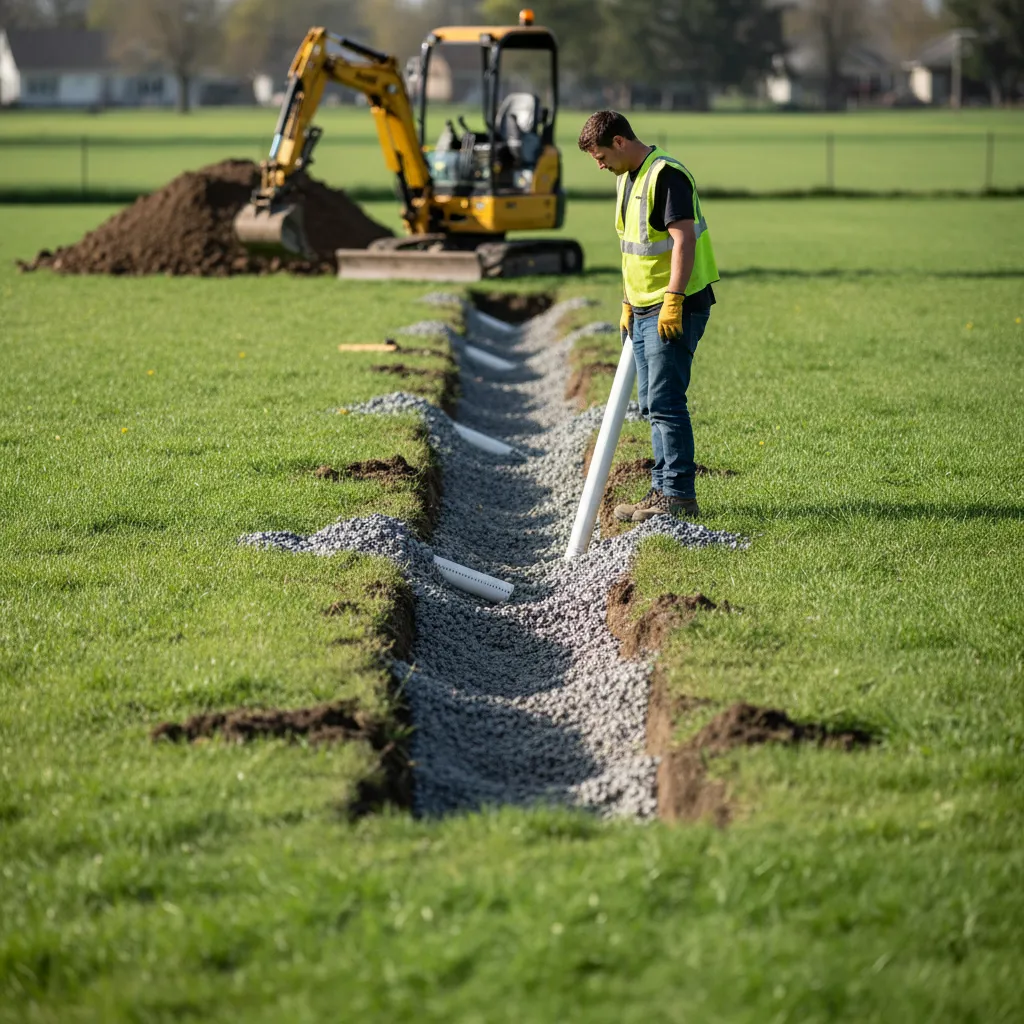
Saturated soil above your lateral lines means effluent isn’t percolating into the ground properly. This pooling often signals a clogged biomat layer, compacted gravel bed, or an overloaded absorption field that can no longer handle your household wastewater volume. Walk your yard. If the ground feels spongy or you see standing water where your leach field sits, your system needs immediate attention. Liquid waste may be surfacing, creating contamination and environmental risk that requires emergency response.
Foul Odors Near the Absorption Area:
Odorous gases escaping from saturated or failing drain field trenches indicate that anaerobic conditions have taken over. Raw sewage and untreated effluent trapped near the surface release hydrogen sulfide and methane. These smells won’t go away on their own. The underlying cause – whether a collapsed lateral line, a blocked distribution box, or a deteriorated geotextile fabric – requires professional diagnosis. Contact our team to schedule leak detection and inspection services.
Slow Drains and Toilet Backups Inside the Home:
When your drain field can’t absorb effluent fast enough, wastewater backs up through the entire system. Slow-draining sinks, gurgling toilets, and sewage surfacing at cleanouts all point to a subsurface disposal problem rather than a simple clog in your household plumbing. These issues can occur when the system isn’t functioning efficiently, and a plumber alone may not be able to clear the problem without professional drain field servicing.
Unusually Green or Lush Grass Over Leach Lines:
Grass growing faster and greener directly above your perforated pipes means nutrient-rich effluent is seeping too close to the surface. Your drain field trenches aren’t filtering wastewater deep enough into the soil profile, and contaminated water may be reaching the root zone. This compromises the natural filtration process and can pose safety concerns for your family and the surrounding environment.
Septic Alarm Activation or High Tank Levels:
A sounding alarm on your dosing pump or consistently high effluent levels in the pump chamber means your drain field isn’t accepting flow. The float switch triggers because wastewater has nowhere to go. This is a clear signal that your absorption field needs professional inspection, repair, or possible replacement. Don’t wait for an emergency to occur – request an estimate and let us help maintain your system before complete failure happens.
Our Drain Field Services Process
Drain field service at A-1 Bill Gibson Septic Service follows a structured, step-by-step approach that leaves nothing to chance. Our process is designed to efficiently diagnose issues and provide quality solutions.
Site Assessment and Records Review
We start by reviewing your septic permit, as-built drawings, and system history. Our technician surveys the property, locates risers and access lids, and identifies the drain field boundaries using probing rods and electronic locators.
System Inspection
We open the septic tank, pump chamber, and distribution box to check effluent levels, sludge depth, and scum thickness. A camera inspection of the lateral lines and perforated pipes reveals blockages, root intrusion, crushed sections, and biomat buildup inside the trenches. We also check for any leak or sewer line damage that may be contributing to the problem.
Soil and Percolation Evaluation
We test the soil around your leach field for saturation, compaction, and permeability. Perc test results tell us whether your existing drain field can be restored or whether the soil conditions demand a new absorption area, mound system, or alternative treatment approach. This evaluation helps us provide an accurate estimate and transparent pricing for your project.
Service Execution
Based on our findings, we perform the required work. That might mean jetting clogged lateral lines, replacing a failed D-box, backfilling and regrading settled trenches, or excavating and installing an entirely new drain field with fresh aggregate, geotextile fabric, and perforated pipe. We use snakes and professional equipment to clear stubborn blockages from roots, grease, and waste buildup.
Final Testing and Documentation
We flush the system, verify even effluent distribution across all laterals, and confirm proper drainage rates. You receive a written report detailing everything we found, everything we did, and a maintenance schedule to help you maintain your drain field and keep it functioning smoothly for years. Our complete documentation gives you the benefit of knowing your system meets all environmental protection and safety standards.
Brands We Use
Drain field services require dependable materials and equipment built to withstand decades of subsurface exposure. A-1 Bill Gibson Septic Service installs and services products from these trusted manufacturers:







Every product we install meets or exceeds local health department and environmental compliance standards.
Other Services
drain field services
leach field services
septic drain field repair near me
drain field repair
absorption field repair
clogged leach field solutions
drain field installation
leach field installation
new septic drain field cost
drain field inspection
leach field evaluation
septic system percolation test
drain field replacement
absorption field replacement
failing septic leach field signs
Ready to Schedule Your Service?
Get upfront pricing and expert service from Florida’s trusted septic professionals.
FAQs About Drain Field Services
What is a drain field and what does it do?
A drain field – also called a leach field or absorption field – is the subsurface component of your septic system that receives effluent from the septic tank and disperses it through perforated pipes into gravel-filled trenches. Soil bacteria filter and treat the wastewater through natural filtration as it percolates downward, removing pathogens, coliform, and soluble contaminants before the water reaches the groundwater table. This process provides essential environmental protection for your property and surrounding area.
When should I schedule a drain field inspection?
Schedule a professional drain field inspection every one to three years, or immediately if you notice soggy ground, foul odors, slow drains, or lush grass growth over your lateral lines. Early detection of biomat buildup, saturated soil, or a failing distribution box can save you thousands compared to a full drain field replacement. Contact our customer service team to request a free estimate and discuss your needs.
Why do drain fields fail?
Drain fields fail for several common reasons: overloaded systems from excessive water use, compacted soil from vehicles or heavy equipment parked over the absorption area, root intrusion into perforated pipes, accumulated sludge that escaped a poorly maintained septic tank, and undersized systems that never matched the property’s liquid waste output. Clayey or impermeable soil conditions also contribute to premature failure. Grease, roots, and improper care can clog the system and prevent it from functioning efficiently.
How long does a drain field replacement take?
Most residential drain field replacements take two to five days depending on soil conditions, system type, and permit requirements. Mound systems and pressurized drip irrigation fields may require additional time for grading, dosing pump installation, and final inspection by the local health department. Contact us to request an estimate with transparent pricing for your specific project.
Can a failing drain field be repaired instead of replaced?
Yes, in many cases. Professional jetting, backflushing, and aeration can restore percolation in clogged lateral lines. A damaged distribution box or crushed section of perforated pipe can be excavated and replaced without disturbing the entire leach field. Our experienced technicians use snakes and specialized equipment to clear blockages and help you avoid complete replacement when possible. We assess whether targeted repair or full replacement gives you the best long-term benefit and provide honest recommendations to help you make an informed decision.
Does homeowner's insurance cover drain field repairs?
Most standard homeowner’s insurance policies do not cover septic system or drain field repairs caused by normal wear, lack of maintenance, or gradual deterioration. Some policies may cover sudden and accidental damage. Check with your insurance provider and keep your septic maintenance records current – they can support a claim if one applies. Our team can provide complete documentation of all servicing we perform on your house and property.