
Soil Fracturing (Terralift) Service
Professional pneumatic soil fracturing to restore failing drain fields and extend the long-term life of your residential or commercial septic system – quality service you can count on
Licensed & Insured Florida Contractors
24/7 Emergency Response Statewide
Upfront Pricing – No Hidden Fees
Full Service Guarantee & Written Reports
5 Highlights on Soil Fracturing (Terralift) Service
Pneumatic fracturing restores percolation
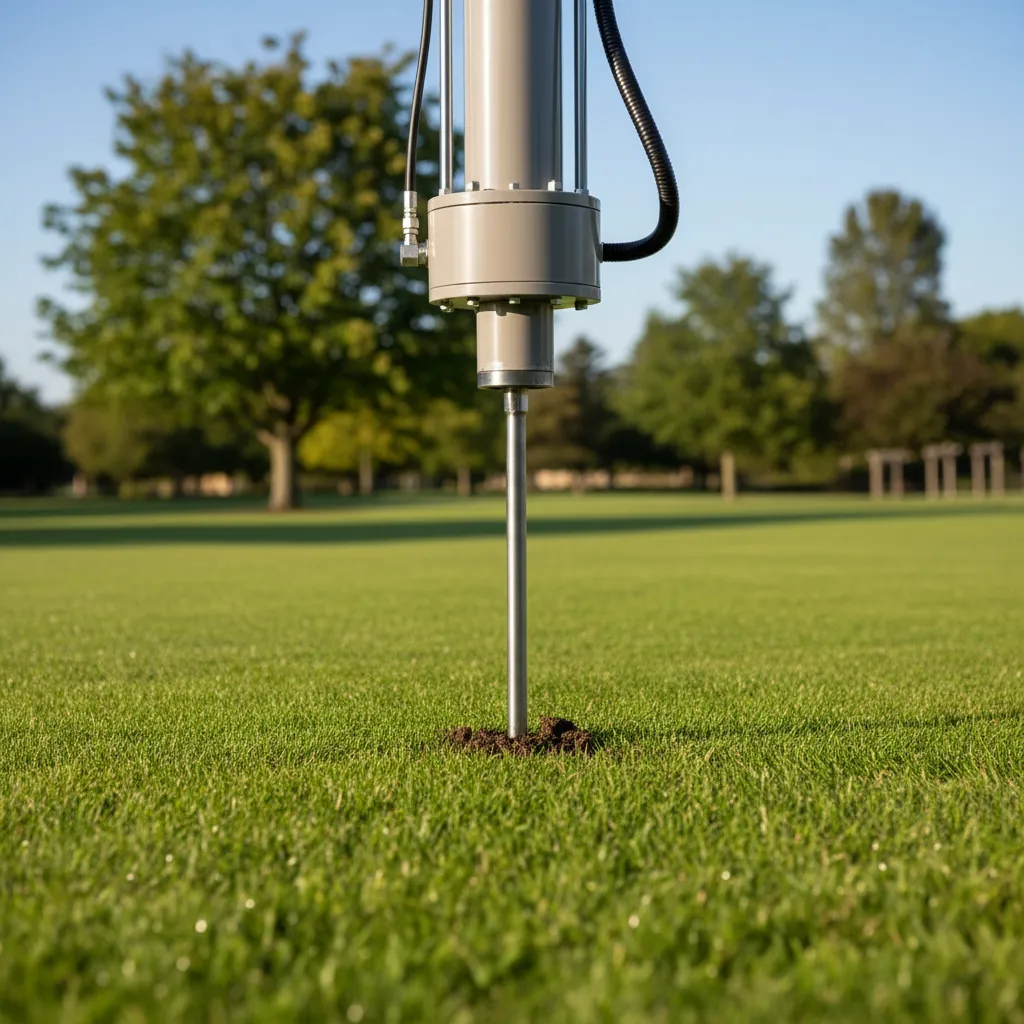
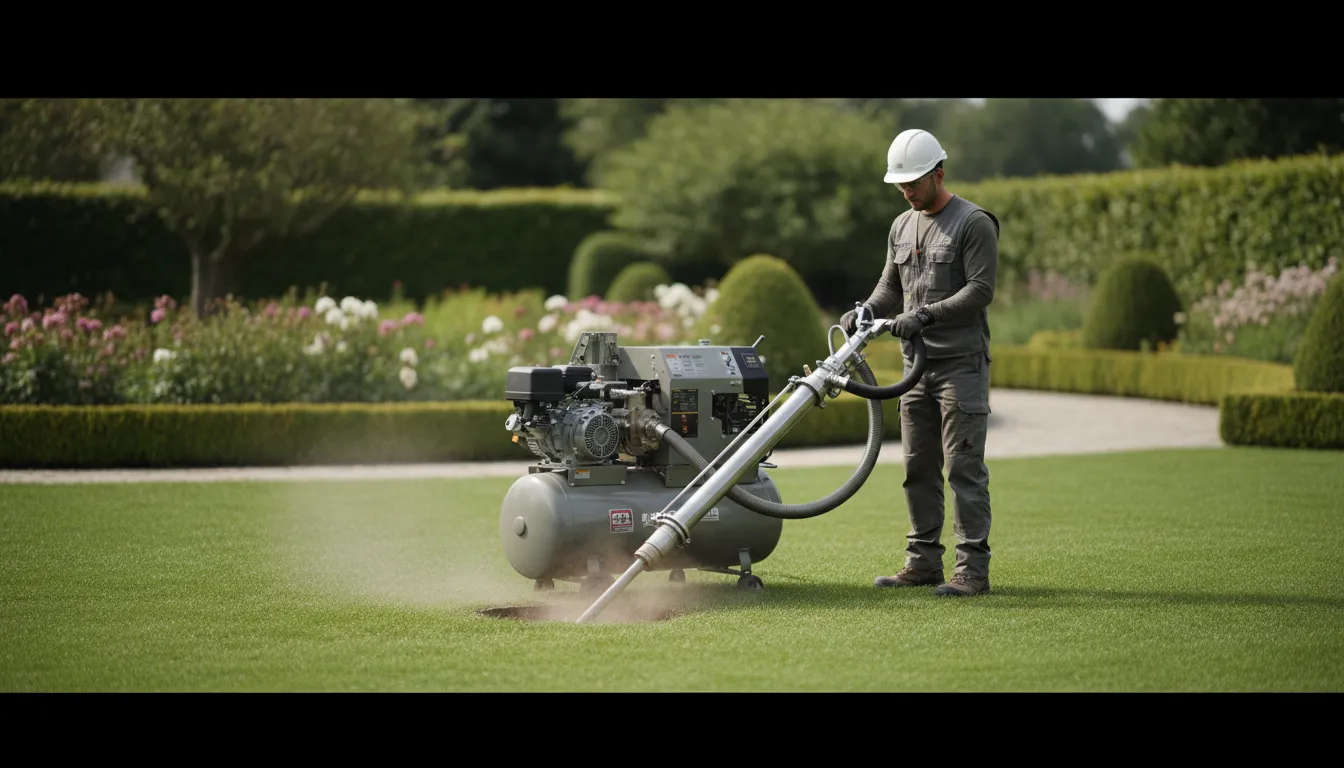
Our Terralift machine drives a probe rod deep into compacted subsoil surrounding your drain field line, then injects compressed air at pressures up to 300 PSI to fracture consolidated soil and break apart the clogged biomat layer, clearing the blockage that chokes effluent absorption.
Polystyrene bead injection prevents recompaction
After each fracture zone opens, we inject granular polystyrene beads into the fractured channels with precision focus. These beads act like a porous lining that holds fractures open permanently, so the loosened soil profile doesn’t settle back into its previous compacted state.
No excavation required
Soil fracturing is a trenchless solution that works from the surface. We don’t dig up your yard, remove laterals, or disturb your existing leach field infrastructure. No digging required – the probe rod penetrates the ground at multiple points across the absorption bed with minimal surface disruption.
Treats saturated and waterlogged conditions
When your drain field sits in a waterlogged state with a high water table, storm drain interference, or clay layer trapping effluent, pneumatic fracturing creates new pathways for wastewater to disperse and percolate through previously impermeable soil strata with improved efficiency.
Fraction of replacement cost
A full drain field replacement runs $10,000 to $30,000 or more for installation services. Terralift soil fracturing typically costs a fraction of that amount at competitive rates and can add years of functional life to a failing or sluggish septic system – making it one of the most cost-effective repair services available.
Why Choose Our Soil Fracturing (Terralift) Service
Soil fracturing is a specialized remediation technique that demands trained operators and proper equipment. A-1 Bill Gibson Septic Service brings decades of hands-on septic system experience to every Terralift job our licensed, certified, and insured team performs. Our plumbing services have earned excellent reviews from satisfied customers. We don’t guess at probe rod placement. Our expert technicians inspect your system first, locate your distribution box and laterals, and map the fracture zones where compacted or silt-laden soil is blocking effluent flow.
Our crew operates commercial-grade Terralift equipment with calibrated compressors that deliver precise pneumatic pressure using advanced technology. Too little pressure fails to fracture the hardpan. Too much pressure can damage perforated pipes, sewer lines, and utility distribution lines. We know the difference because we’ve fractured soil around hundreds of failing drain fields and sewer system components across the region.
We also understand soil science. Sandy soils respond differently than clayey or loamy profiles. A waterlogged absorption bed with tree root intrusion needs a different approach than a compacted gravel bed with biomat buildup. We assess and read the soil conditions on site, pinpoint the issue, and adjust our fracturing depth, spacing, and bead injection volume accordingly.
A-1 Bill Gibson Septic Service stands behind every soil fracturing job with our satisfaction guarantee. If your drain field doesn’t show measurable improvement in drainage and percolation after our Terralift service, we’ll work with you on next steps at no additional diagnostic cost. Contact our friendly team for help – that’s the kind of professional accountability every customer should expect from a trusted septic service business.
Need Emergency Septic Service?
Our 24/7 emergency team responds quickly across all of Florida. Don’t wait for a small problem to become a disaster.
Signs You Need Soil Fracturing (Terralift) Service
Soil fracturing is the right intervention when your septic system shows specific symptoms of drain field failure or soil compaction issues. Based on our inspections and diagnostics, here are five detailed warning signs that indicate your leach field needs pneumatic remediation – if you notice any of these, we recommend calling for service.
Sewage surfacing over the drain field:
When effluent pools on the ground above your absorption bed, the soil beneath has lost its ability to absorb and filter wastewater. This happens when the soil profile becomes saturated, the biomat layer thickens beyond its functional limit, or a clay layer beneath the laterals blocks downward percolation. Standing sewer overflow on your lawn is a health risk and emergency situation that may require immediate attention – a clear signal that the subsurface soil needs fracturing to restore drainage pathways.
Slow drains throughout the house:
Every sink, tub, and toilet drains sluggishly despite clear pipes between the house and the septic tank. The problem isn’t a clog in your plumbing. Your drain field can’t accept effluent fast enough because compacted, impermeable soil has reduced the hydraulic capacity of the leach field. The septic tank fills, the pump chamber backs up, and wastewater has nowhere to go – leaving your household plumbing running slow.
Septic tank fills rapidly after pumping:
You pump the tank and it reaches capacity again within days or weeks – a recurring problem that wastes your time and money. This tells you effluent isn’t leaving the tank at a normal rate. The outlet pipe flows into a distribution box that feeds laterals surrounded by soil that won’t percolate. Soil fracturing loosens that compacted ground and reopens absorption capacity.
Foul odors near the drain field:
Stagnant, anaerobic conditions in waterlogged soil produce hydrogen sulfide and other hidden gases. If you smell rotten eggs near your leach field, the soil around your laterals is likely saturated and oxygen-starved. Pneumatic fracturing aerates the subsoil, introduces clean air channels, and helps ensure restored aerobic microbial activity that breaks down organic waste.
Lush green strips over lateral lines:
Grass growing noticeably greener and taller directly above your drain field laterals means effluent is rising to root level instead of percolating downward – affecting your landscaping in visible patterns. The soil below has become too compacted or clogged with biomat to accept wastewater at the designed depth. Terralift fracturing displaces that compacted zone and drives effluent back down into the soil profile where it belongs.
Our Soil Fracturing (Terralift) Process
Soil fracturing follows a precise, methodical sequence that we’ve refined through years of field work and repairs on failing septic systems. Here’s how the task is completed from start to finish.
System inspection and mapping
We locate your septic tank, distribution box, and all lateral lines in the drain field using free camera inspection and advanced diagnostics. We check the tank’s effluent level, inspect baffles and outlet conditions, and pinpoint the specific areas of the absorption bed showing failure. This diagnostic step tells us exactly where to fracture.
Probe rod insertion
We position the Terralift machine at the first fracture point and drive the probe rod into the ground to a depth of six to eight feet, depending on your soil profile and the depth of your laterals. This drilling process requires no digging – the rod penetrates past the compacted zone and any hardpan or clay layer restricting drainage.
Pneumatic fracturing
The compressor delivers a controlled blast of compressed air through the probe rod tip. This air pulse fractures the surrounding soil in a radial pattern, cutting through and breaking apart compacted earth, displacing silt-laden material, and creating new channels for effluent to disperse and percolate.
Polystyrene bead injection
Immediately after each air blast, we inject polystyrene beads into the fractured zone and install them as permanent spacers. These lightweight, inert granules fill the new channels and prevent the soil from reconsolidating. They act as lasting spacers that keep fracture pathways open for years.
Repeat across the drain field
We move the probe rod to the next position, typically spaced four to six feet apart across the entire leach field. Each insertion point receives the same fracturing and bead injection treatment across the full range of the absorption area. We work systematically until the complete absorption bed has been treated.
Final assessment
We verify drainage improvement, check for any surface disruption that needs attention, and document the work performed. You’ll know exactly what issues were discovered, what we fixed, and where we did it.
Brands We Use
Soil fracturing demands reliable, purpose-built equipment and quality materials. A-1 Bill Gibson Septic Service uses the following trusted brands in our Terralift and septic service operations:




Every piece of equipment we bring to your property meets or exceeds manufacturer safety specifications.
Other Services
Soil fracturing service
Terralift service
Pneumatic soil remediation for septic systems
Terralift drain field repair
Septic drain field fracturing
Compressed air soil loosening near leach field
Soil fracturing for septic systems
Pneumatic fracturing septic
Restore failing drain field percolation
Terralift septic service near me
Drain field soil fracturing company
Polystyrene bead injection for drain field
Septic soil fracturing cost
Terralift leach field restoration
Break up compacted soil around septic laterals
Ready to Schedule Your Service?
Get upfront pricing and expert service from Florida’s trusted septic professionals.
FAQs About Soil Fracturing (Terralift) Service
What is soil fracturing for septic systems?
Soil fracturing is a non-invasive, trenchless remediation process that uses pneumatic pressure to break apart compacted, clogged, or waterlogged soil surrounding a septic drain field. A Terralift machine drives a probe rod into the ground and injects compressed air to create fracture zones in the subsoil. Polystyrene beads fill those fractures to keep them open permanently. The result is restored percolation and absorption capacity in a failing leach field – one of the most effective trenchless plumbing, underground plumbing, and line services available for drain field restoration.
When should I consider Terralift soil fracturing?
You should consider soil fracturing when your drain field shows signs of failure – sewage surfacing on the ground, persistent slow drains, rapid tank refilling after pumping, foul odors near the leach field, or unusually green grass over lateral lines. Soil fracturing works best when the septic tank and distribution components are still functional but the surrounding soil has lost its ability to accept and filter effluent. Request a no-obligation quote to discuss your options.
Why does soil fracturing work better than replacing a drain field?
Soil fracturing addresses the root cause of most drain field failures: compacted, impermeable soil and biomat buildup. It restores the existing absorption bed without excavation, pipe replacement, or new gravel installation – so your yard stays covered and undisturbed. A full drain field replacement services cost tens of thousands of dollars and tears up your property. Terralift fracturing accomplishes line repair and remediation at a low price compared to that cost with minimal surface disturbance, helping you save money while avoiding the need to completely replace your line.
How long does a soil fracturing treatment last?
A properly performed Terralift treatment typically lasts five to ten years or longer with proper sewer maintenance. The polystyrene beads injected into fracture zones don’t decompose or compact, so the drainage channels remain open. Longevity depends on soil type, system usage, and ongoing septic tank maintenance. Regular pumping and proper waste habits are essential for keeping any soil fracturing treatment effective for the long-term.
Can soil fracturing fix a completely failed septic system?
Soil fracturing can restore many failing drain fields, but it can’t fix every situation. If your septic tank has structural damage, if laterals are crushed or collapsed, or if the water table has permanently risen above your drain field elevation, fracturing alone won’t solve the problem. That’s why A-1 Bill Gibson Septic Service always inspects the full system before recommending Terralift treatment. We’ll tell you honestly whether soil fracturing is the right solution for your specific conditions, and we offer tailored solutions to handle any situation we discover.
Does the Terralift process damage my existing drain field pipes?
No. Our trained technicians know the exact depth and location of your laterals before we begin. We position probe rod insertion points between lateral lines and fracture below pipe depth in localized zones. The compressed air disperses radially through the soil without directing force against perforated pipes, distribution boxes, or other septic infrastructure. Our team is ready to answer any questions about the process.