
Real Estate Septic Inspection
Professional septic inspections for property transfers, buyer due diligence, real estate transactions, and closings
Licensed & Insured Florida Contractors
24/7 Emergency Response Statewide
Upfront Pricing – No Hidden Fees
Full Service Guarantee & Written Reports
5 Highlights on Real Estate Septic Inspection
Thorough tank and drainfield evaluation.
Our real estate septic inspection covers every component of your on-site wastewater treatment system, from the septic tank and inlet baffle to the distribution box and lateral lines. We probe sludge and scum layers, check effluent levels, and assess the absorption field for signs of failure or saturation. Our technicians examine pipe condition, inspect for potential leak issues, and ensure proper flow through the entire plumbing system. We determine drain functionality and identify any clog or debris that could cause problems for future homeowners.
Certified and licensed inspectors.
Each system inspection is performed by a licensed septic contractor and certified inspector who understands local health department codes, Title V requirements, and property transfer disclosure obligations. We carry the credentials buyers, sellers, and real estate agents trust. Our experience with residential homes and commercial properties ensures complete understanding of sewage systems, underground plumbing, and proper waste disposal practices.
Detailed inspection reports for closing.
You receive a written inspection report documenting system condition, component locations, septic tank pumping history, and a clear pass, conditional pass, or failure determination. This report satisfies lender requirements and supports your due diligence. We provide a complete guide with all information gathered during the evaluation, helping you make informed decisions about your purchasing process and any inspection contingency requirements.
Camera inspection and dye testing available.
When visual assessment alone is not enough, we deploy camera scoping through distribution pipes and sewer line connections and perform dye tests to trace effluent flow, locate leaks, and confirm drainfield function before you finalize the property transfer. This technology helps us explore buried components, handle challenging access situations, and show you exactly what is happening underground in your plumbing systems.
Fast turnaround for real estate timelines.
We schedule inspections within days and deliver reports promptly so your closing stays on track. Contingency deadlines do not wait, and neither do we. Contact us to obtain a date that works with your project timeline and keep your real estate transaction moving forward.
Why Choose Our Real Estate Septic Inspection
A real estate septic inspection is a specialized evaluation that goes far beyond routine septic tank pumping and a standard check. A-1 Bill Gibson Septic Service has performed thousands of these inspections for residential and commercial property transfers across the region. We know what buyers need to see, what sellers must disclose, and what real estate agents require to keep transactions moving. Our attention to detail and customer care set us apart as a trusted provider.
Our inspectors are licensed, certified, and trained to evaluate conventional gravity systems, mound systems, aerobic treatment units, pressure distribution systems, and engineered alternatives. We do not cut corners. We open access lids, measure sludge depth, inspect baffles, test float switches and alarm panels, and walk the entire drainfield looking for saturated soil, odorous conditions with sewage smell, or effluent surfacing on the ground. We address every potential problem and ensure functioning systems before you complete your purchase.
We work directly with real estate agents, attorneys, and escrow officers to deliver inspection reports that meet local health department standards and satisfy certificate of compliance requirements. If the system needs repair, replacement, or installation of new components, we provide honest cost estimates so all parties can negotiate from accurate information. Our options range from minor cleaning and maintenance to complete system upgrade or replacing broken parts.
A-1 Bill Gibson Septic Service stands behind every inspection with a professional guarantee of accuracy and completeness. We do not represent the buyer or the seller. We represent the facts. That objectivity is why top rated agents in our area recommend us by name, and why families and homeowners trust us to protect their largest investment and future home value.

Need Emergency Septic Service?
Our 24/7 emergency team responds quickly across all of Florida. Don’t wait for a small problem to become a disaster.
Signs You Need Septic Tank Pumping & Cleaning
A real estate septic inspection is required or strongly recommended in several specific situations. Recognizing these signs early protects both buyers and sellers from costly surprises after closing and helps you stay informed throughout the home inspection process.
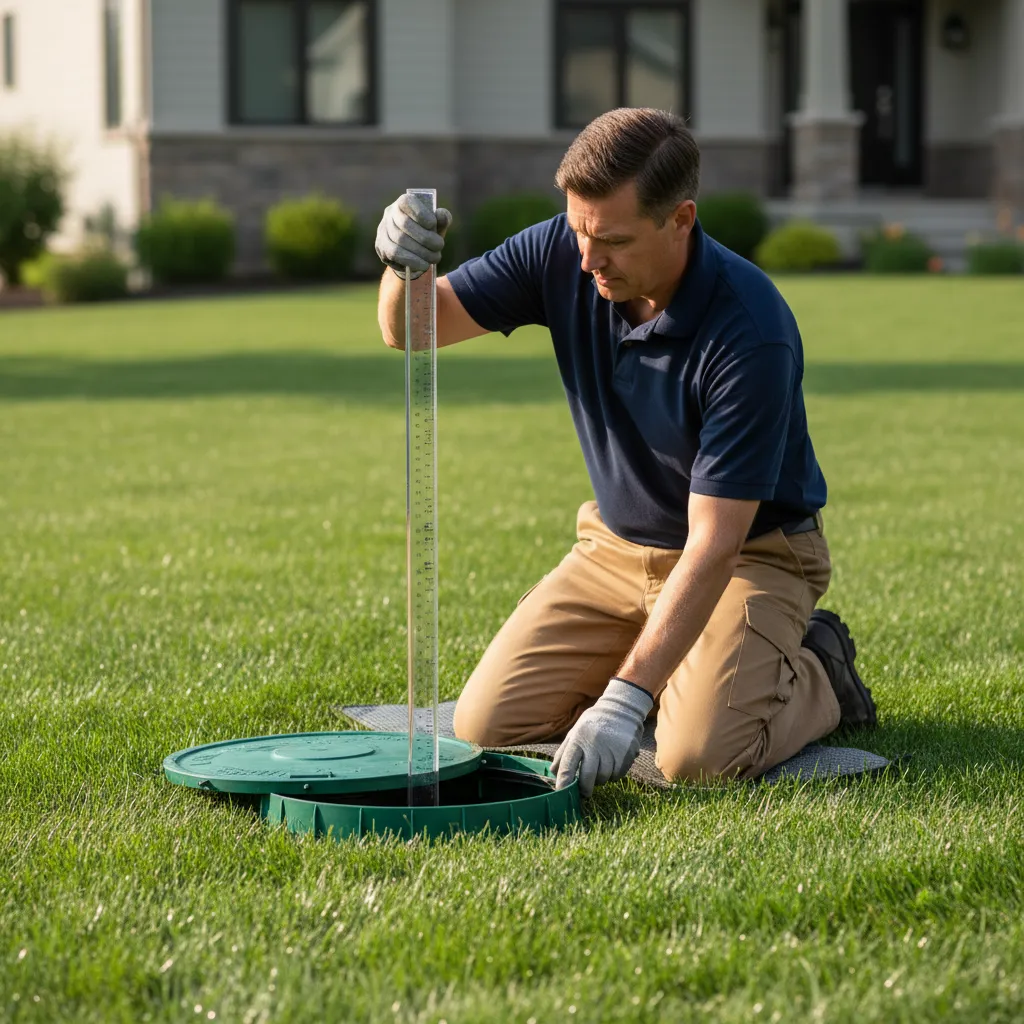
You're buying a property with an on-site wastewater system:
Any home or commercial building not connected to municipal public sewer or main sewer relies on a private septic tank and drainfield. Before you commit, a qualified inspector should evaluate the entire system. Lenders frequently require this inspection as a loan condition, and skipping it leaves you exposed to repair bills that can reach tens of thousands of dollars. Understanding the condition of these sewage systems protects your investment and gives you the information you need for purchasing decisions.
The property has been vacant or seasonal:
Inactive septic systems can develop problems that are not obvious. Dried out seals, corroded baffles made of concrete or steel materials, collapsed distribution pipes, and clogged effluent filters often go undetected until a professional opens the tank and probes the components. Seasonal properties are especially prone to these hidden failures. A complete inspection will determine the age and condition of the system and identify any fix that is needed before you settle on the property.
Visible warning signs exist on the lot:
Lush green patches over the leach field, standing water or liquid pooling near the distribution box, backed up drains inside the house, or sewage odors in the yard all indicate a failing or overloaded sewer system. Additional signs include slow draining sinks, toilets, and bathroom fixtures, or toilet and kitchen drain issues that become frequent. A real estate septic inspection will confirm whether the problem is a minor maintenance issue requiring cleaning and clearing or a full system failure that requires replacement. We can also detect water leak problems and perform leak detection to find the underlying cause.
The system has no recent pumping or maintenance records:
Sellers who cannot produce a pumping schedule or maintenance contract raise a red flag. Without documentation, you have no way to know the system has been properly maintained or when the last septic tank pumping occurred. An inspection with sludge measurement, camera scoping, and a dye test fills that gap with hard data. This task helps you understand the number of years since the last service and whether routine care has kept the system working correctly.
Local regulations mandate inspection before property transfer:
Many jurisdictions require a septic inspection and certificate of compliance before a deed can transfer. Title V inspections, health department reviews, and disclosure forms all depend on a current, professional evaluation according to local codes. Missing this step can delay or derail your closing entirely. Your responsibility as a buyer is to ensure the system meets public health standards and protects groundwater and nearby streams from contamination.
Our Real Estate Septic Inspection Process
A real estate septic inspection from A-1 Bill Gibson Septic Service follows a structured, repeatable process designed to uncover every deficiency and document every finding. Our engineering approach and utility of professional equipment ensure nothing is missed.
Records review and system location
We start by reviewing any available as-built drawings, site plans, septic permits, and pumping records. We locate the septic tank, distribution box, and drainfield using probes and, when necessary, electronic locating equipment. We map all components relative to the well, property setbacks, structures on the lot, and any construction that may have occurred. This gathering of information helps us understand where components are buried and the volume of the tank installed on your property.
Tank access and internal inspection
We excavate to the access lids or risers and open the septic tank. Inside, we measure sludge depth and scum layer thickness, inspect the inlet baffle and outlet baffle for damage or deterioration, and evaluate effluent clarity. We check for cracks, corrosion, and evidence that the tank is not watertight. We examine concrete and steel tanks for the type of wear known to reduce their lifespan, and identify any break or deterioration found in the structure.
Component testing
We inspect the distribution box for level flow, examine lateral lines for tree root intrusion or collapse from trees and roots on the property, and test mechanical components including pump chambers, float switches, control panels, and alarms. If the system includes an aerobic treatment unit, effluent filter, or UV disinfection unit, we evaluate each one. We use hydraulic load testing and jetting where appropriate to clear line blockages and assess pipe and sewer line condition with trenchless technology when possible.
Drainfield assessment
We walk the entire absorption field, probing for saturated soil, biomat buildup, and effluent breakout on the surface. We check percolation rates and assess how the system works with the ground conditions on your lot. We perform dye testing when drainage patterns are unclear and deploy camera inspection through distribution pipes to identify blockages, offsets, or structural failure underground. This step helps us deal with emerging issues and reduce the risk of failure. We also check for grease, oils, and liquid waste that may have compromised the drainfield, and look for any debris or livestock impact in rural settings.
Report delivery
We compile all findings into a detailed inspection report with photographs, measurements, component conditions, and a clear determination: pass, conditional pass, or failure. The report is a complete guide you can rely on for your closing and share with all parties involved. We deliver this report to the designated parties and remain available to answer questions from buyers, sellers, agents, or attorneys through closing. We support you at every stage, from starting the inspection to the end of the transaction.
Brands We Use
A real estate septic inspection demands reliable, professional grade equipment to deliver accurate results. A-1 Bill Gibson Septic Service uses trusted brands that meet the highest standards in the septic and wastewater industry.







Safety is built into every step of our inspection process, from confined space protocols at the tank to proper handling of septage and effluent.
Other Services
Real estate septic inspection
Property transfer septic evaluation
Septic system assessment for home sale
Septic inspection for home buyers
Buyer septic system check
Due diligence septic tank inspection
Title V septic inspection
Certificate of compliance inspection
Septic compliance report for closing
Septic inspection before selling
Seller septic system evaluation
Pre-sale drainfield and tank inspection
Septic inspection near me
Local septic inspection service
Licensed septic inspector for real estate
Ready to Schedule Your Service?
Get upfront pricing and expert service from Florida’s trusted septic professionals.
FAQs About Real Estate Septic Inspection
What is a real estate septic inspection?
A real estate septic inspection is a professional evaluation of an on-site wastewater treatment system performed during a property sale. The inspector examines the septic tank, distribution box, drainfield, and all mechanical components, then issues a written report documenting the system’s condition and compliance status. This inspection provides the information you need to understand how the system works and whether any problems exist that could become your responsibility after the sale.
When should I schedule a septic inspection during a home purchase?
Schedule the inspection as soon as your offer is accepted and the inspection contingency period begins. Most buyers have a limited window for due diligence, and septic inspections require coordination with the seller for tank access. Booking early keeps your closing timeline intact and gives you time to explore options if issues are found. Learn about any warranty the seller may offer and save documentation for your records.
Why do lenders require a septic inspection?
Lenders want confirmation that the property’s wastewater system functions properly and meets local health department standards. A failing or non-compliant system represents a significant financial liability. The inspection report and certificate of compliance protect the lender’s investment and yours. Better to know the value and condition before you move forward than to deal with expensive repairs later.
How long does a real estate septic inspection take?
Most inspections take two to four hours on site, depending on system complexity, tank accessibility, and whether camera inspection or dye testing is needed. Report delivery typically follows within one to three business days. We work to bring you results as quickly as possible while ensuring the inspection is completed thoroughly. Further investigation may extend the timeline if we discover challenging conditions that require additional attention.
Can a septic inspection reveal problems the seller didn't disclose?
Yes. Inspectors frequently find cracked baffles, undersized tanks, saturated drainfields, unpermitted modifications, and decommissioned cesspools that sellers either did not know about or failed to disclose. We may also find issues related to the roof drainage directing water toward the drainfield, inappropriate install locations, or connections to the sewer system that do not meet code. The inspection report gives you documented evidence to negotiate repairs, price adjustments, or system replacement before closing. Knowing what is fixed and what needs to be addressed helps you maintain control of the transaction.
Does the septic tank need to be pumped before inspection?
Many jurisdictions and inspection protocols require the tank to be pumped as part of the evaluation. Pumping allows the inspector to examine interior walls, baffles, and the tank floor for cracks, corrosion, and structural integrity that standing effluent would otherwise conceal. This step also helps lower the risk of missing issues and gives a clean place to assess. We can install access risers at this time to make future septic tank pumping and maintenance easier. Contact us to list the appropriate services for your property and upgrade your access if needed.