
Septic Camera & Video Inspection
Professional sewer camera and video inspection services for residential and commercial septic systems – fast, reliable line inspection solutions you can trust
Licensed & Insured Florida Contractors
24/7 Emergency Response Statewide
Upfront Pricing – No Hidden Fees
Full Service Guarantee & Written Reports
5 Highlights of Our Septic Camera & Video Inspection
High definition sewer camera inspection
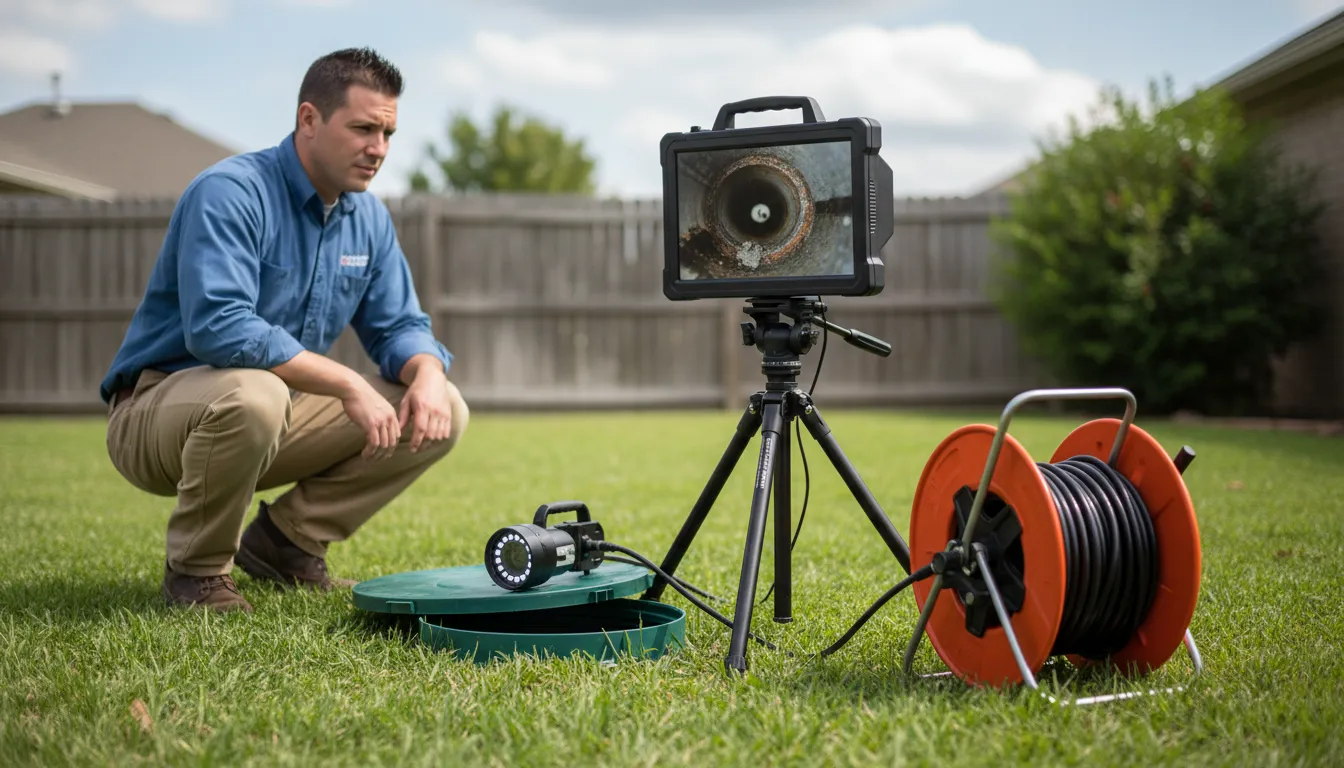
Our push rod cameras and crawler cameras capture real-time, color coded video of your septic tank, drain field, and sewer line interior so you can view exactly what we see on the display screen.
Accurate pipe locating with sonde transmitters
Every camera head carries a built in locator transmitter that lets our certified technicians pinpoint the depth and position of clogs, cracks, and collapsed sections from above ground using advanced technology.
Complete recording and documentation
We record every inspection project to DVR and USB drive, giving you a permanent video feed of your pipeline condition for insurance claims, real estate transactions, or permit compliance. Request your data and documentation at any time.
Non invasive diagnostics
Our flexible cable systems thread through access ports, cleanouts, and risers without excavation, saving your yard from unnecessary digging and backfill work. This no-dig, trenchless approach is a cost-effective solution for diagnosing underground plumbing issues.
Comprehensive system coverage
We scope mainline sewer lines, lateral lines, effluent filters, distribution boxes, inlet and outlet baffles, and every pipe connection from your plumbing stack to your leach field. Our team can also assess utility lines, water lines, and sanitary sewer conduits.
Why Choose Our Septic Camera & Video Inspection
Septic camera and video inspection is a specialized diagnostic service that demands the right equipment and trained eyes behind the monitor. A-1 Bill Gibson Septic Service has inspected thousands of septic systems across residential and commercial properties. Our certified technicians are qualified, licensed, and insured professionals who understand what a failing baffle looks like versus a healthy clarified zone.
We operate self leveling camera heads that automatically orient the image inside your pipe, whether the line runs horizontal or drops at an angle. This matters. A misaligned image can hide cracks, root infested joints, and offset connections that a less experienced crew might miss entirely. Our expert team uses advanced tools to ensure nothing goes undetected.
Our inspection reports include timestamped video, written findings, and a mapped diagram of your sewer system layout. We identify every defect – corroded cast iron pipe, bellied PVC sections, deteriorated Orangeburg pipe, grease laden buildup, and collapsed lateral lines. You get clear, professional information with no guesswork, allowing you to make an informed decision about pipe repair or line replacement.
We stand behind our diagnostic accuracy. If we scope your system and identify a problem, we’ll show you the footage on our video monitor right there on site. You’ll view the camera navigate through your pipes in real-time. No pressure, no upselling. Just the facts about your septic system’s condition so you can determine the best course of action for repairs or replacement. Contact us for a free quote and let our company perform a thorough assessment.
A-1 Bill Gibson Septic Service is a trusted, top rated contractor with the equipment and expertise to inspect any system configuration – conventional gravity fed tanks, mound systems, aerobic treatment units, pressurized dosing chambers, and chambered drain fields. Our satisfied customers recommend us for reliable service, transparent pricing, and emergency scheduling when needed.
Need Emergency Septic Service?
Our 24/7 emergency team responds quickly across all of Florida. Don’t wait for a small problem to become a disaster.
Signs You Need Septic Camera & Video Inspection
Septic camera and video inspection is the fastest way to diagnose underground problems you can’t see from the surface. This effective solution helps prevent costly emergency repairs by allowing our team to assess issues early. Here are five signs your system needs professional scoping.
Slow drains throughout the house:
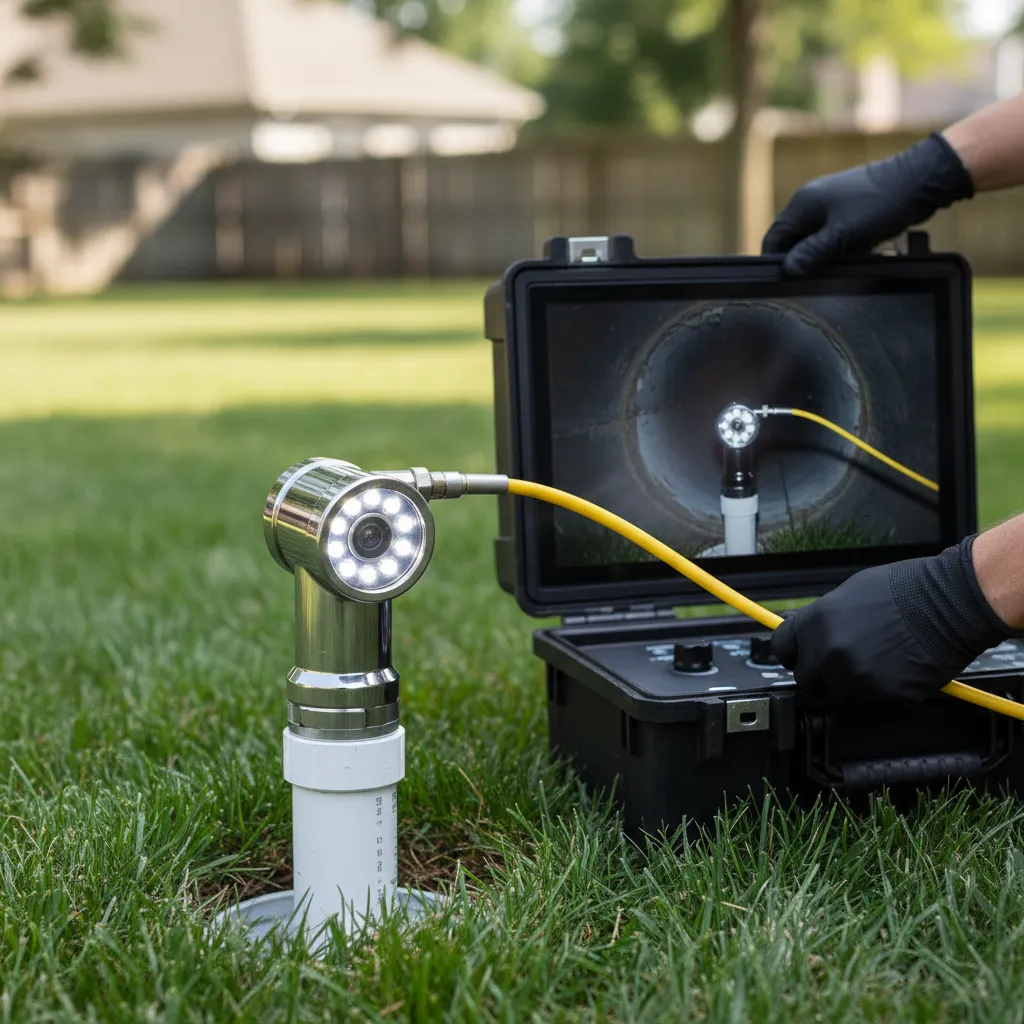
A single slow drain usually points to a localized clog. When every fixture backs up – sinks, toilets, showers – the blockage likely sits in your mainline sewer pipe or at the septic tank inlet. A push camera fed through the cleanout will detect whether the obstruction is a root mass, a grease laden buildup, or a collapsed pipe section. Our plumbers can fix blocked drainage issues fast once the problem is identified.
Sewage odors near the tank or drain field:
Odorous conditions around your septic tank lid, risers, or absorption field suggest a failing connection or a cracked baffle. Our camera head threads directly through the access port to inspect the inlet tee, outlet tee, and effluent filter for deterioration or blockage. In many cases, we can also check for leak issues in nearby gas lines and storm drainage conduits.
Standing water over the leach field:
Saturated soil above your percolation bed signals that effluent isn’t dispersing properly. Video inspection of the distribution box and perforated lateral lines reveals whether pipes are clogged with biomat, crushed under soil pressure, or misaligned at their joints. We can determine if damaged components require cleaning, line repair, or complete replacement.
Purchasing a property with an existing septic system:
A pre purchase camera inspection records the condition of every component – the tank walls, baffles, pipe connections, and drain field lines. This footage protects you from inheriting a non functioning or overloaded system that could cost thousands to replace. Learn about the underground utility installation before you buy, and save money by identifying issues that require attention.
Recurring backups after pumping:
If your tank backs up again shortly after a pumper truck services it, the problem isn’t sludge volume. It’s structural. A corroded outlet, a bellied waste line, or an obstructed effluent filter will keep causing backflow until a camera inspection identifies the root cause. Our technicians scope, record, and diagnose the plumbing issue in a single visit. In some cases, hydro jetting services may be required to clear roots and buildup before we can pull a clear image.
Our Septic Camera & Video Inspection Process
Septic camera and video inspection is a structured, step by step diagnostic procedure. Here’s how A-1 Bill Gibson Septic Service performs every inspection project. Our customer service team offers same-day scheduling in many cases.
Access point identification
Our technician locates your septic system’s cleanouts, risers, and access ports. If your tank lacks risers or visible entry points, we use a pipe locator to find buried lids and covers. We also identify manhole access and utility line locations as needed.
Camera selection and setup
We choose the right camera for your pipe diameter and material. Push rod cameras work for residential four inch lines. Crawler cameras handle larger mainline and municipal pipes. We attach the self leveling camera head, connect the fiber optic cable to the control unit, and confirm the LED lighting and video feed on our display screen. All tools are installed and calibrated before we begin.
Camera insertion and navigation
The technician feeds the flexible cable through the entry point and navigates the camera downstream. The camera head pans, tilts, and zooms to capture every angle of the pipe interior – joints, fittings, elbows, tee connections, and wall surfaces. This allows us to read the condition of your sewer utility infrastructure in detail.
Real time assessment and recording
As the camera advances, our technician calls out findings on screen: cracks, corrosion, root intrusion, offset joints, grease deposits, standing water, and collapsed sections. The DVR records the entire inspection with distance markers. We document every fixed reference point and damaged area for your records.
Report delivery
We provide you with recorded footage on USB drive, a written evaluation of your system’s condition, and our professional recommendations for repair, maintenance, or monitoring. Once the inspection is completed, our contractors can offer a quote for any required work, including replacing damaged components or installing new utilities.
Brands We Use
Septic camera and video inspection equipment varies widely in quality and capability. A-1 Bill Gibson Septic Service invests in professional grade, industry leading brands to deliver accurate diagnostics every time.







All camera equipment is maintained, calibrated, and waterproof rated for full submersion in septic and wastewater environments.
Other Services
Septic camera inspection
Septic tank camera inspection
Sewer scope inspection service
Video pipe inspection
Sewer line video inspection
Drain camera diagnostic service
Septic system camera service
Underground pipe camera inspection
Real time pipe video assessment
Drain field video inspection
Leach field camera scope
Lateral line camera survey
Sewer camera inspection near me
Professional pipe inspection camera
Septic system video diagnostic
Ready to Schedule Your Service?
Get upfront pricing and expert service from Florida’s trusted septic professionals.
FAQs About Septic Camera & Video Inspection
What is a septic camera and video inspection?
A septic camera and video inspection is a non invasive diagnostic service where a waterproof, high definition camera feeds through your pipes and septic components to capture real-time video of their interior condition. The camera records cracks, clogs, root intrusion, corrosion, and structural failures inside sewer lines, septic tanks, distribution boxes, and drain field laterals. This service allows our team to assess and fix issues without digging.
When should I schedule a camera inspection of my septic system?
Schedule a septic video inspection when you experience recurring backups, slow drains, sewage odors, or standing water over your drain field. You should also scope your system before buying a property, after major landscaping or construction near your tank, and every three to five years as part of routine septic maintenance. Get in touch with our customer service team to request an appointment – we offer lower rates for preventive inspections.
How does the camera navigate through my septic pipes?
A technician feeds a flexible cable with an attached camera head through a cleanout, riser, or access port. The cable pushes through the pipe while the self leveling camera head transmits live video to a display screen. A built in sonde transmitter signals the camera’s exact location and depth to a pipe locator above ground. This form of line inspection is the best way to view underground utility conduits without excavation.
Can a sewer camera detect a failing drain field?
Yes. A push camera or crawler camera inserted into the distribution box and lateral lines can identify biomat buildup, crushed or collapsed perforated pipe, root infested joints, and standing effluent that confirms your absorption field isn’t percolating properly. In each case, our expert technicians will provide information on the best course of action for repairs.
Does the inspection damage my septic system?
No. Septic camera inspection is completely non destructive. The flexible cable and camera head thread through existing access points without cutting, trenching, or excavating. Your tank, pipes, and drain field remain undisturbed throughout the entire process. This trenchless technology is a cost-effective alternative to exploratory digging.
How long does a full septic video inspection take?
Most residential septic camera inspections take 30 to 90 minutes depending on system size, pipe length, and accessibility. Larger commercial systems or properties with multiple tanks and extended drain fields may require additional time. You’ll receive your recorded footage and written report the same day. Fill out our online form or call to request service – our team is standing by to help.