
Septic System Inspection
Professional septic system inspection services that protect your property, your health, and your investment – quality plumbing and sewer solutions for your home
Licensed & Insured Florida Contractors
24/7 Emergency Response Statewide
Upfront Pricing – No Hidden Fees
Full Service Guarantee & Written Reports
5 Highlights on Septic System Inspection
Certified and Licensed Inspectors
Our expert and knowledgeable technicians evaluate every component of your septic system, from the inlet baffle to the drainfield, using current health department standards and code requirements. Each trained inspector holds state certification and carries years of experienced field work.
Full Camera Probe Diagnostics
Using advanced technology, we camera inspect lateral lines, distribution boxes, and underground tank interiors to locate cracks, corrosion, and biomat buildup that surface level checks miss. This gives you a complete picture of issues detected in your system’s condition.
Real Estate and Point of Sale Inspections
Our team performs Title V inspections and point of sale septic evaluations that satisfy lender requirements and close deals on time. We handle fast turnaround and deliver completed inspection reports within 24 hours for immediate review.
Comprehensive Written Reports
Every septic system inspection includes a documented assessment that covers tank integrity, sludge and scum layer measurements, effluent filter condition, drainfield performance, and a certificate of compliance when applicable. We provide quality reports across the full range of system components.
Emergency and Scheduled Service
We offer routine scheduled inspections and 24/7 emergency diagnostic visits to help with failing or overloaded systems. Same day and quick service is available for urgent situations involving sewage backup, saturated drainfields, or odorous conditions near your tank. Prompt response when you need it.
Our Septic System Inspection Services:
Why Choose Our Septic System Inspection
Septic system inspection is a specialized service that demands real field knowledge, proper equipment, and an understanding of local permitting and health department regulations. A-1 Bill Gibson Septic Service is a company that has built a trusted reputation by delivering thorough, honest evaluations for residential and commercial properties across our service area. Our satisfied customers recommend us because we do the job right at reasonable prices.
Our inspectors don’t cut corners. We probe the tank, measure sludge and scum layers, assess the clarified zone, test the effluent filter, and evaluate drainfield absorption. We check baffles, risers, access lids, and distribution boxes for signs of deterioration. We check each sewer line for tree roots and clog issues that require cleaning. We run dye tests and flow tests when conditions call for them. Every inspection follows a documented process that meets or exceeds local health department standards.
We’re licensed, insured, and certified. Our technicians operate professional grade camera probes, electronic tank locators, and probe rods to diagnose problems that visual checks alone can’t reveal. The safe and effective equipment we’ve used for detecting issues has helped us inspect conventional gravity fed systems, pressurized mound systems, aerobic treatment units, and advanced nitrogen reduction systems. We detect problems early.
You get a clear, detailed inspection report. No vague language. No upselling. Just an accurate assessment of your septic system’s condition, along with recommendations if repairs or maintenance are needed. We provide a price estimate and free quote with everything explained so you understand how to fix any issues. Contact us for clear communication and warranty-backed service. We stand behind every inspection with our professional guarantee. When you need a qualified septic inspector, A-1 Bill Gibson Septic Service is the name homeowners and real estate professionals call first.
Need Emergency Septic Service?
Our 24/7 emergency team responds quickly across all of Florida. Don’t wait for a small problem to become a disaster.
Signs You Need Septic System Inspection
Septic system inspection and troubleshooting is the fastest way to identify problems before they become expensive failures. Early detection helps you avoid major repairs and save on cost. Here are five warning signs that mean it’s time to schedule a professional evaluation.
Slow Drains and Gurgling Fixtures:
When multiple drains in your home run slow or toilets gurgle during flushing, your septic tank may be full of sludge or your effluent filter may be clogged and needs to be clean. Bathroom sinks and plumbing fixtures throughout your house can signal issues. A professional inspection can diagnose whether the issue sits in the tank, the distribution box, or the lateral lines feeding your drainfield.
Foul odors near the tank or drain field:
Odorous gases escape when the scum layer rises too high inside the tank or when the vent pipe cannot handle the pressure. You might smell sewage near your yard, around floor drains, or at cleanout access points. These smells mean anaerobic decomposition is overwhelming the system, and the tank needs to be pumped and cleaned. Well water systems nearby can also be affected, making it a matter of health and safety.
Standing Water or Saturated Soil Over the Drainfield:
Wet, spongy ground above your absorption trenches or seepage bed means effluent isn’t percolating into the soil profile as designed. This drainage problem points to a clogged biomat layer, a high water table, or hydraulic overloading. When issues are found or discovered, camera inspection and percolation testing can pinpoint the cause and help solve the problem.
Buying or Selling a Property:
Real estate transactions involving septic systems require a point of sale inspection or Title V evaluation in many jurisdictions as required by law. Lenders and buyers looking to close need a certified inspection report confirming the system is compliant and serviceable before closing. Request your inspection early in the process.
It's Been Three or More Years Since Your Last Inspection:
Routine septic system inspection every one to three years catches small problems early as part of your preventative maintenance plan. Cracked baffles, corroded inlet pipes, failing float switches, and rising sludge levels all develop gradually. Regular professional assessment helps keep your system active and compliant. Stay up to date with scheduled service.
Our Septic System Inspection Process
Septic system inspection at A-1 Bill Gibson Septic Service follows a structured, step by step process designed to evaluate every component of your onsite wastewater system. From start to finish, our work on your project is thorough and professional.
Locate and Access the System
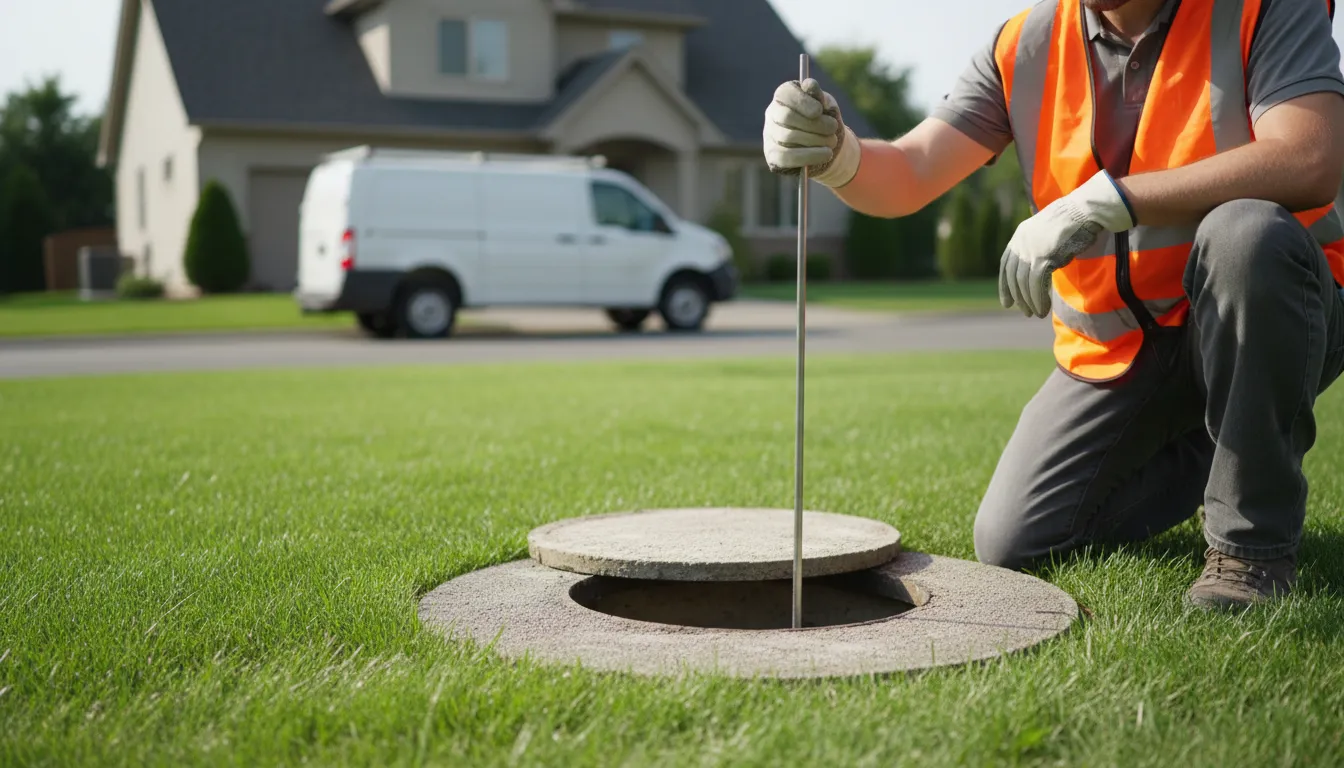
Our technician uses electronic tank locators, probe rods, and as built drawings or site plans to find your septic tank, distribution box, and drainfield in your front or back yard. We uncover risers, access lids, and inspection ports to gain full entry with minimal disruption. We dig only when necessary.
Inspect the Septic Tank Interior
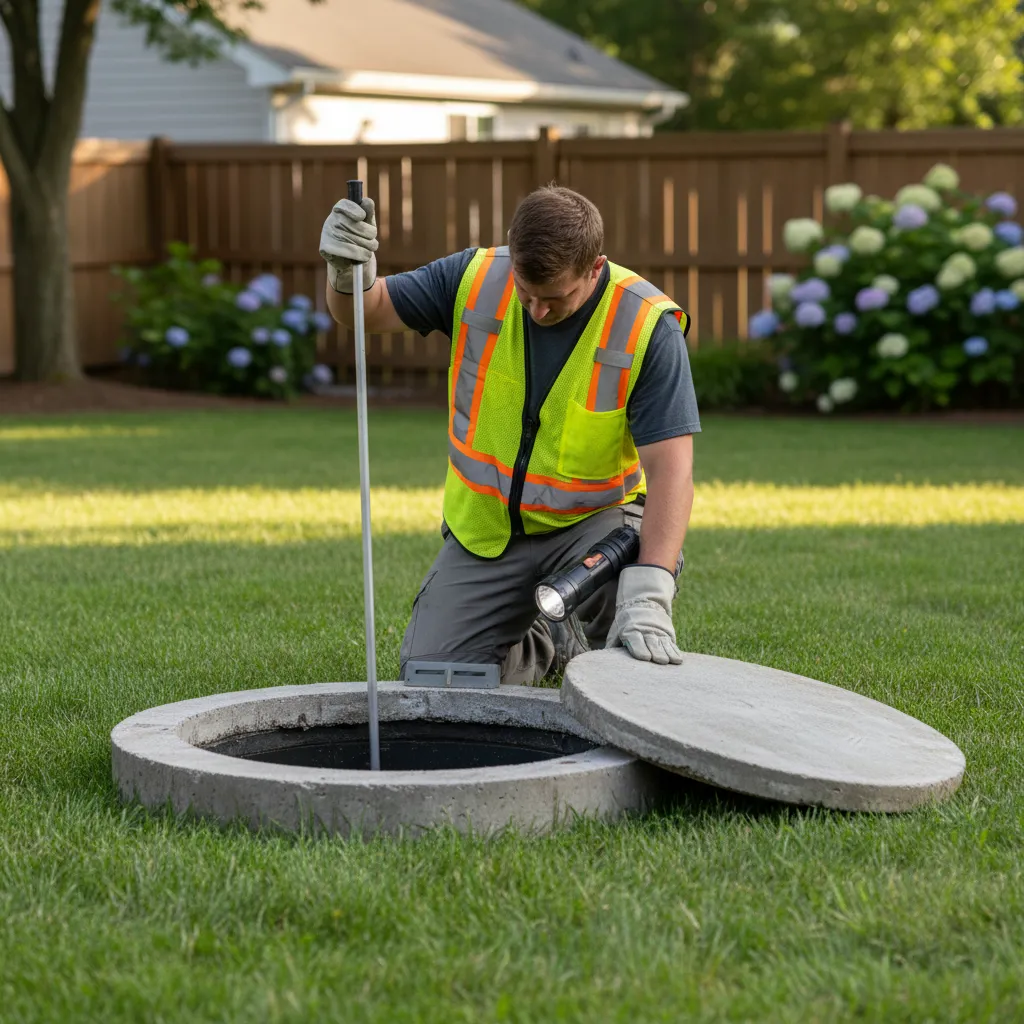
We open the tank and measure the sludge layer and scum layer thickness. We check the clarified zone depth, inspect inlet and outlet baffles for cracks, damage, or corrosion, and evaluate the effluent filter for buildup or damaged components. We look for any water leak or leak that may require you to replace parts. We note whether the tank is concrete, fiberglass, or polyethylene and assess its structural integrity.
Evaluate the Distribution System
We inspect the distribution box, header pipe, main line, tee fittings, and lateral lines. We check for even flow distribution, signs of root intrusion, and sediment accumulation. Our line services handle everything from running diagnostics to camera probe inspection when blockages or damage are suspected.
Assess the Drainfield
We walk the drainfield area to check for saturated soil, standing water, storm damage, or odorous conditions. We evaluate the absorption trenches or seepage bed for signs of failure, including biomat buildup, clay soil compaction, grease accumulation, and surface breakout of effluent. We also check storm drain separation from the septic system.
Document and Report
We compile all findings into a detailed inspection report that includes measurements, photographs, system condition ratings, and recommendations. We send the report to your email address to give you informed documentation. If your system passes, we issue a certificate of compliance. If repairs are needed, we outline the scope and next steps.
Brands We Use
Septic system inspection requires reliable, professional grade equipment and replacement parts from manufacturers that meet industry standards. A-1 Bill Gibson Septic Service uses products from these trusted brands:




Every product and piece of equipment we use meets or exceeds industry safety standards.
Other Services
Septic system inspection
Septic tank inspection
Onsite wastewater system evaluation
Septic inspection service
Septic system assessment
Drainfield condition check
Real estate septic inspection
Point of sale septic evaluation
Title V septic compliance
Residential septic inspection
Home septic system checkup
Sludge and scum layer measurement
Septic inspection near me
Local septic inspector
Certified septic system diagnostic
Ready to Schedule Your Service?
Get upfront pricing and expert service from Florida’s trusted septic professionals.
FAQs About Septic System Inspection
What does a septic system inspection include?
A professional septic system inspection covers the tank interior, sludge and scum layer measurements, baffle condition, effluent filter status, distribution box function, and drainfield performance. The inspector also checks for leaks, cracks, corrosion, and signs of hydraulic or organic overloading. Our comprehensive plumbing services include line repair when needed. You receive a written inspection report with findings and recommendations.
When should I schedule a septic system inspection?
You should have your septic system inspected every one to three years as part of routine maintenance. Your house needs regular checkups to serve you well. You’ll also need an inspection when buying or selling a property, if you notice slow drains or sewage odors, or if your local health department requires periodic compliance checks.
Why is a septic system inspection necessary for real estate transactions?
Many states and municipalities require a point of sale or Title V inspection before a property with a septic system can change hands. Lenders want confirmation that the system is compliant and functioning. A certified inspection report protects both the buyer and the seller from unexpected repair cost and replacement services after closing.
How long does a septic system inspection take?
Most residential septic inspections take between one and three hours depending on system complexity, accessibility, and whether camera inspection of the lines is needed. The exact time depends on your system. Working on advanced treatment units and mound systems may require additional time to allow proper evaluation of all mechanical and distribution components.
Can a septic system inspection reveal hidden problems?
Yes. Camera probe diagnostics, dye tests, and sludge measurements can uncover cracked baffles, root intrusion in lateral lines, biomat buildup in absorption trenches, failing float switches, and corroded tank walls that aren’t visible from the surface. Early detection through professional inspection saves thousands in repair, line replacement, and replacement costs. Our customers are impressed with how quickly issues are fixed once they’ve hired us.
Does a septic system inspection include pumping the tank?
Not always. Inspection and pumping are separate services. Some inspections require the tank to be pumped so the inspector can evaluate the tank floor, walls, and baffles. A-1 Bill Gibson Septic Service can pump and inspect during the same visit if needed. Once the job is finished, all cleaning services are handled professionally.