
Percolation Test & Soil Evaluation
Professional perc testing and soil evaluation for residential and commercial septic system design across your local area.
Licensed & Insured Florida Contractors
24/7 Emergency Response Statewide
Upfront Pricing – No Hidden Fees
Full Service Guarantee & Written Reports
5 Highlights on Percolation Test & Soil Evaluation
Certified Soil Analysis:
Our specialized percolation test and geotechnical soil evaluation service measures infiltration rate, soil texture, and hydraulic conductivity to determine your site’s absorption capacity for an on-site wastewater treatment system.
Accurate Water Table Detection:
We identify seasonal high water table depth, mottled soil horizons, and restrictive layers like bedrock or hardpan that directly affect drain field placement, septic system design, and the surrounding environment.
Health Department Compliance:
Every perc test we perform meets local and state health department standards to ensure your building permit application moves forward without delays or rejections from the sanitarian’s office.
Detailed Site Assessment Reports:
You receive a complete soil evaluation report documenting soil boring data, percolation rate measurements, soil class, setback distances, and a recommended reserve area for future system needs. When required, samples can be submitted for laboratory analysis.
Expert Guidance on System Type:
Our soil evaluation results tell you whether a conventional gravity-fed system, mound system, pressurized distribution system, or alternative engineered system best fits your property’s subsurface conditions. We also coordinate with engineering services providers when advanced designs are needed.
Why Choose Our Percolation Test & Soil Evaluation
A percolation test and soil evaluation is the foundation of every septic system installation. A-1 Bill Gibson Septic Service has performed thousands of these assessments for homeowners, builders, and commercial developers who need accurate, permit-ready results.
Our team includes qualified professionals who understand soil science at a granular level. We don’t just dig a perc hole and time the water drop. We excavate test pits, examine each soil horizon, assess soil structure, compaction, and friability through careful observation, and document every layer from topsoil through subsoil to any restrictive formation beneath. That level of detail separates a reliable evaluation from a superficial one.
We own and operate our own backhoe, drilling rigs, and soil boring equipment. That means no subcontractors, no scheduling conflicts, and no finger-pointing if questions arise during the permitting process. You work directly with the people who dug the holes and read the soil.
Our percolation test results hold up under scrutiny. Health department sanitarians trust our data because we follow standardized protocols and present findings in clear, organized reports. We also coordinate directly with system designers and engineering professionals when your project requires an alternative or engineered septic solution.
A-1 Bill Gibson Septic Service stands behind every soil evaluation we deliver. If the health department requests additional borings or clarification, we handle it promptly at no surprise cost to you. Contact us today to schedule your assessment.
Need Emergency Septic Service?
Our 24/7 emergency team responds quickly across all of Florida. Don’t wait for a small problem to become a disaster.
Signs You Need Percolation Test & Soil Evaluation
A percolation test and soil evaluation is required in specific situations. Recognizing when you need one saves time, money, and potential regulatory headaches.
You're Building on Undeveloped Land:
Any new construction that requires an on-site wastewater treatment system starts with a perc test. The health department will not issue a building permit until a certified soil evaluation confirms the site can support a soil absorption system. Without this test, your project cannot break ground.
Your Existing Septic System Is Failing:
Effluent surfacing in the yard, slow drains, and sewage odors near the drain field all indicate a failing system. Before a contractor can design a replacement leach field, a fresh percolation test and soil evaluation must assess current subsurface conditions. The original soil data from decades ago no longer reflects what’s happening below grade, especially if biomat buildup or saturated conditions have changed the absorption field’s performance.
You're Subdividing or Developing Property:
Land division and commercial development projects require soil evaluations on each proposed lot. Local regulations mandate that every parcel demonstrate adequate soil permeability and available area for both a primary septic system and a designated reserve area. Skipping this step stalls the entire subdivision approval process.
You're Purchasing Rural Property:
Buying land without a perc test is a gamble. Clayey, impermeable, or shallow-to-bedrock soils can make conventional septic installation impossible or extremely expensive. A soil evaluation before closing protects your investment and reveals whether you’ll need a mound system or other alternative design.
Your Permit Has Expired:
Most perc test permits carry an expiration date. If your original soil evaluation data is older than the allowed timeframe, the health department will require a new percolation test before approving any septic system installation or repair.
Our Percolation Test & Soil Evaluation Process
A percolation test and soil evaluation is a structured, multi-step procedure. Here’s exactly how A-1 Bill Gibson Septic Service completes yours.
Site Visit and Pre-Assessment
We survey your property to identify proposed building locations, existing wells, surface water features, slopes, and required setback distances. This initial walkthrough determines where we can legally and practically locate test points.
Test Pit Excavation and Soil Boring
Using our backhoe, we excavate test pits to expose the full soil profile. We dig to a depth that reveals each soil horizon, any mottled or saturated layers, and the presence of bedrock, hardpan, or other restrictive formations. We also perform soil borings with an auger or probe when deeper subsurface data is needed.
Soil Profile Documentation
We examine and record soil texture, color, structure, consistency, and moisture at each layer. Sandy, loamy, silty, and clayey compositions all absorb effluent differently. We classify the soil and note any evidence of seasonal high water table.
Percolation Rate Measurement
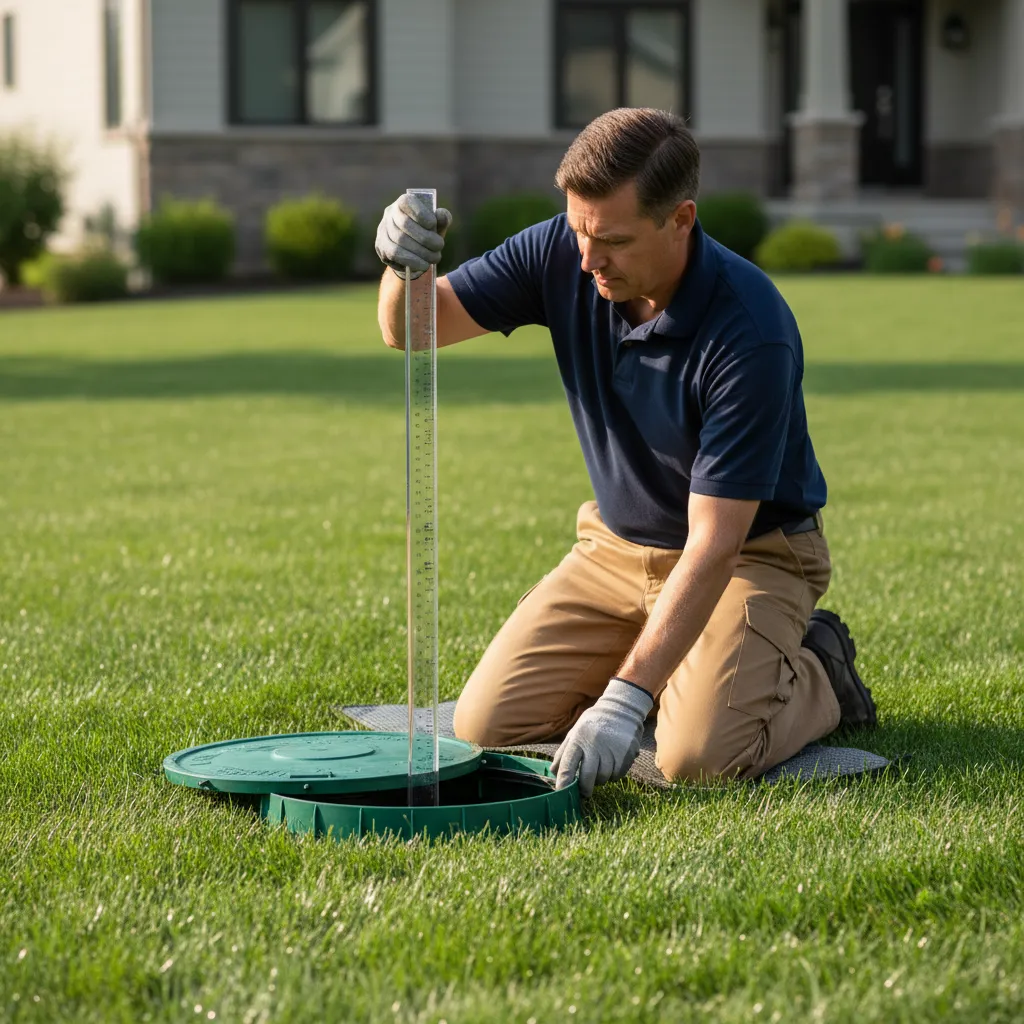
We dig perc holes to the prescribed depth, pre-soak them according to protocol, and measure the rate at which water seeps into the surrounding soil. This infiltration rate, recorded in minutes per inch, determines the type and size of septic system your site can support.
Report Preparation and Permit Submission
We compile all field data into a detailed site assessment report. This document includes soil boring logs, percolation rate calculations, soil class designation, recommended system type, and a site map showing proposed and reserve drain field areas. We submit the completed report to the health department on your behalf.
Brands We Use
A percolation test and soil evaluation demands accurate instruments and dependable excavation equipment. A-1 Bill Gibson Septic Service relies on these trusted brands to deliver precise, repeatable results on every job.







We maintain and calibrate all testing equipment regularly.
Other Services
percolation test
perc test
infiltration rate measurement
soil evaluation
soil assessment
soil profile analysis
septic soil testing
septic perc test
hydraulic conductivity testing
soil permeability test
soil absorption test
drain field site evaluation
percolation test service
perc test near me
on-site wastewater soil analysis
Ready to Schedule Your Service?
Get upfront pricing and expert service from Florida’s trusted septic professionals.
FAQs About Percolation Test & Soil Evaluation
What is a percolation test?
A percolation test measures how quickly water drains through soil at a specific depth. Technicians dig holes, fill them with water, and record the rate at which the water level drops. This percolation rate, expressed in minutes per inch, tells engineers and health departments whether the soil can absorb septic effluent safely and at what capacity.
When do I need a soil evaluation?
You need a soil evaluation before installing a new septic system, replacing a failing drain field, building on vacant land, or subdividing property. Most local health departments require a current perc test and soil evaluation before they’ll issue a septic permit or building permit.
Why does soil type matter for septic systems?
Soil type directly controls how effluent filters, disperses, and biodegrades underground. Sandy and loamy soils drain quickly and treat wastewater effectively. Clayey and compacted soils absorb slowly and can cause system backup or surface discharge. Gravelly soils may drain too fast, allowing contaminants to reach groundwater before adequate treatment occurs.
How long does a percolation test take?
Most perc tests take one full day of field work. Pre-soaking the test holes requires several hours, and the actual percolation rate measurement adds more time. You’ll typically receive the completed soil evaluation report within one to two weeks after the field visit.
Can a property fail a perc test?
Yes. Properties with impermeable clay, shallow bedrock, or a high seasonal water table can fail a standard percolation test. A failed perc test doesn’t always mean you can’t build. It often means you’ll need an alternative system design, such as a mound system, sand filter, or pressurized drip distribution system, which our team can help you plan.
Does a perc test expire?
Most jurisdictions set an expiration period on perc test results, commonly two to five years depending on local regulations. If your test data has expired, the health department will require a new percolation test and soil evaluation before issuing any permits.