
Grease Trap Services
Professional grease trap pumping, cleaning, and maintenance for commercial and residential systems
Licensed & Insured Florida Contractors
24/7 Emergency Response Statewide
Upfront Pricing – No Hidden Fees
Full Service Guarantee & Written Reports
5 Highlights on Grease Trap Services
Scheduled grease trap pumping
Our certified technicians vacuum fats, oils, and grease (FOG) from interceptor compartments using commercial pump trucks, preventing clogged drain lines and sanitary sewer backups that shut down kitchens and stop businesses from running smoothly.
Full interceptor inspection and cleaning
We remove accumulated scum and sludge from baffles, weirs, inlet pipes, and outlet pipes, then flush each compartment to restore proper flow rate and retention time, keeping your system efficient and working as designed.
Compliant FOG disposal and hauling
Every gallon of grease laden waste we extract gets transported to a licensed disposal site or treatment facility, and we provide documentation your health department inspector requires to ensure you comply with local regulations.
Grease interceptor installation and replacement
Our contractors install concrete, fiberglass, and polyethylene grease interceptors sized to your gallonage needs, complete with interceptor baskets, strainers, and access lids that meet local code enforcement standards and address the specific issues your business faces.
Preventive maintenance agreements
We set up routine service schedules with maintenance logs so your grease trap stays compliant, odor free, and operating at full capacity between pump outs, effectively minimizing the risk of emergencies.
Our Grease Trap Services:
Why Choose Our Grease Trap Services
Grease trap services are our specialty. A-1 Bill Gibson Septic Service has built a trusted reputation pumping, cleaning, and maintaining grease interceptors across commercial kitchens, restaurants, and food processing facilities for years. We are known as a leading and reliable septic service contractor, and every technician on our crew understands the difference between a simple pump out and a thorough grease trap servicing that actually protects your plumbing and keeps your business running smoothly.
We own our vacuum trucks and hydro jetters. That means faster response times, no subcontractors, and direct accountability from the moment we arrive to the moment we haul your septage to an approved disposal site. Our pump trucks are equipped and ready to handle small under sink grease traps and large in ground grease interceptors alike. We also offer drain cleaning and drain line services to address related issues effectively.
You get a compliance certificate and a detailed maintenance log after every service call. Health department inspectors and code enforcement officers accept our documentation without question. We also provide digital records so you can track your service history and stay ahead of scheduled pump outs, helping you focus on running your business.
Our pricing is straightforward. No hidden fees for hauling, no surprise charges for disposal. We quote the job before we start, and we stand behind our work with a satisfaction guarantee. When your grease trap needs professional attention, A-1 Bill Gibson Septic Service is the qualified, expert team you can trust to get it done right. Contact us to request quality service today.
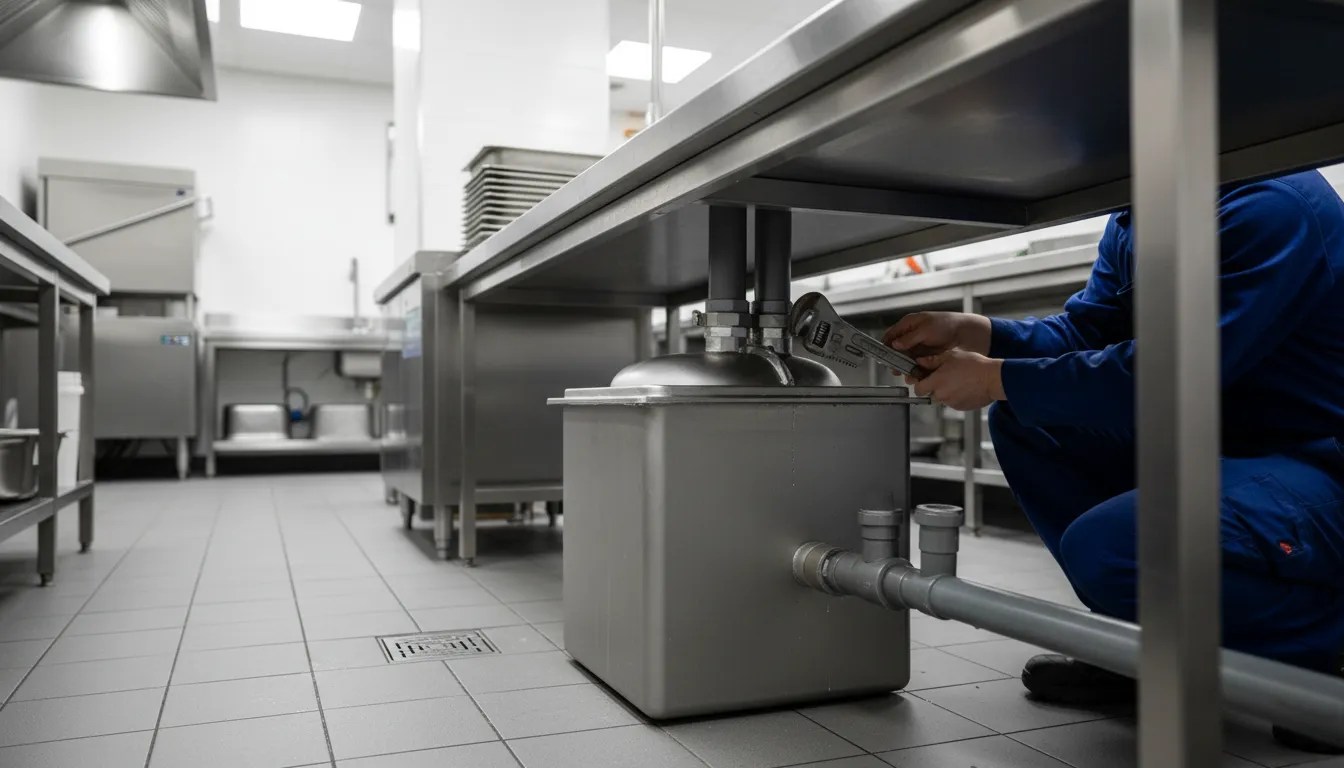
Need Emergency Septic Service?
Our 24/7 emergency team responds quickly across all of Florida. Don’t wait for a small problem to become a disaster.
Signs You Need Grease Trap Services
Grease trap problems and issues do not appear overnight. They build gradually, and recognizing the warning signs early saves you from costly repairs, health code violations, and kitchen downtime that can stop your business from operating.
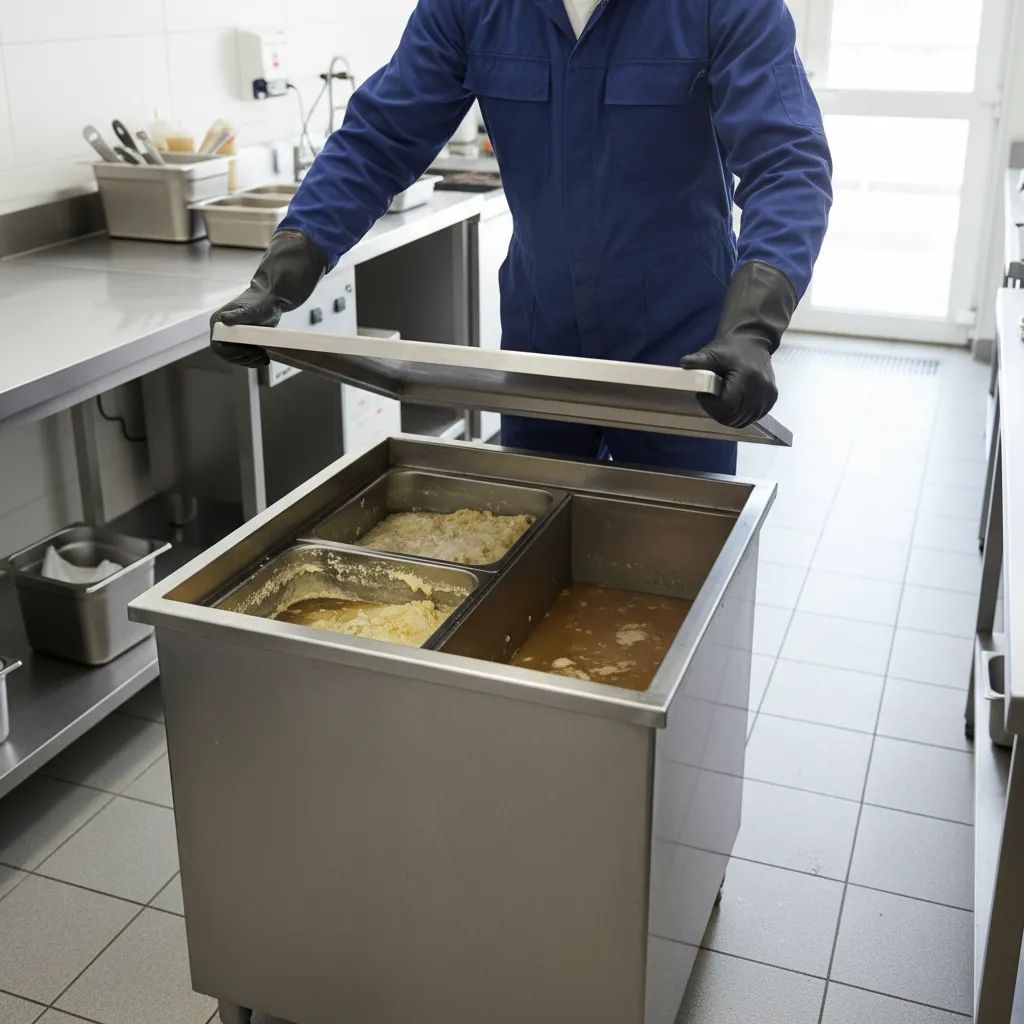
Foul or putrid odors near drains and sinks:
A properly maintained grease interceptor contains odorous gases within its sealed compartments. When accumulated FOG, cooking oil residue, and decomposing organic solids exceed the trap’s retention capacity, rancid smells escape through drain openings and access lids. That stench means your grease trap is overdue for pumping and cleaning services.
Slow draining sinks and floor drains:
Grease laden wastewater needs a clear path through the interceptor’s baffles and outlet pipe. When insoluble fats, cooking oil, and congealed oils coat the interior walls, weirs, and T pipes, flow rate drops. Your sinks back up. Water pools on the floor. The grease trap is obstructed and needs professional degreasing and flushing to ensure safe operation.
Grease visible in the cleanout or interceptor basket:
Pop the access lid and look inside. If the scum layer sits thicker than 25 percent of the trap’s total liquid depth, you have exceeded the recommended service threshold. Most municipal codes and health department regulations require pumping before FOG accumulation reaches that point. Our expertise can help you find the right scheduling frequency.
Sewage backing up into the kitchen:
A completely clogged grease interceptor forces untreated wastewater backward through your sewer line and lateral lines. Raw sewage on a kitchen floor creates an unsanitary, hazardous environment and triggers immediate code enforcement action. This is an emergency that demands same day emergency service – we offer 24/7 response for these situations.
Failed inspection or non compliant status:
Your health department inspector measures the scum and sludge layers during routine checks. If your grease trap fails inspection, you will face fines and potential closure until a certified hauler pumps, cleans, and restores the system to compliant condition. Preventive scheduled service eliminates this risk entirely and keeps your business covered.
Our Grease Trap Services Process
Grease trap servicing follows a precise sequence that A-1 Bill Gibson Septic Service performs on every job, providing reliable quality service to businesses throughout our service area.
Access and assess
Our technician locates the grease trap or interceptor, removes the tank lid or access lid, and measures the scum layer and sludge layer depth. We note the unit’s capacity, compartment configuration, and current condition of baffles, inlet, and outlet components to help address any issues found.
Pump and vacuum
We connect our vacuum truck hose and extract all fats, oils, grease, used cooking oil, and settled solids from every compartment. The pump removes the full liquid volume, including the floating scum and the heavy sludge resting on the tank floor.
Scrape and clean
After pumping, our crew scrapes the interior walls, baffles, weirs, and separator surfaces by hand. We remove hardened grease deposits that vacuuming alone cannot dislodge. Interceptor baskets and strainers get pulled, cleaned, and inspected for corrosion or damage. Our cleaning services are designed to ensure thorough results.
Flush and inspect
We flush the inlet pipe, outlet pipe, drain line, and connecting drain lines with pressurized water or a hydro jetter to clear any remaining FOG buildup. A camera inspection confirms the lines are open, working properly, and free of obstruction.
Refill and document
We refill the grease trap with clean water to reestablish proper operating level, replace all lids and risers, and complete your maintenance log. You receive a service report showing volumes hauled, condition notes, and your next recommended pump out date. We can send this documentation directly to you.
Haul and dispose
Our hauler transports all collected grease, used oil, and septage to a permitted treatment facility or disposal site in full compliance with local and state regulations. We also offer oil pickup services for businesses that need regular cooking oil removal.
Brands We Use
A-1 Bill Gibson Septic Service works with top rated equipment and product manufacturers trusted across the septic and grease trap industry.







Our technicians receive ongoing training on proper handling of hazardous and grease laden waste materials, and we carry full insurance on every job.
Other Services
grease trap services
grease trap pumping
FOG removal commercial kitchen
grease trap cleaning
grease interceptor cleaning
fats oils grease disposal
grease trap maintenance
grease trap service near me
restaurant grease trap pump out
grease interceptor pumping
commercial grease trap service
septic grease trap inspection
grease trap installation
grease trap repair and replacement
grease interceptor compliance certification
Ready to Schedule Your Service?
Get upfront pricing and expert service from Florida’s trusted septic professionals.
FAQs About Grease Trap Services
What is a grease trap, and what does it do?
A grease trap is a plumbing device that intercepts fats, oils, cooking oil, and grease before they enter your sewer line or septic system. It works by slowing the flow of wastewater so FOG floats to the surface and solids settle to the bottom. The clarified effluent then discharges through the outlet pipe. Without a functioning grease trap, FOG accumulates in your drain lines and causes blockages, backups, and code violations. If you have questions about how grease traps work, contact us and we can help.
How often should a grease trap be pumped and cleaned?
Most commercial grease traps need pumping every 30 to 90 days, depending on the trap’s capacity, your kitchen’s flow rate, and local health department regulations. The frequency depends on your specific usage patterns. The general rule is to pump before the combined scum and sludge layers fill 25 percent of the trap’s total liquid depth. A-1 Bill Gibson Septic Service sets up scheduled maintenance with the right scheduling frequency so you never miss a pump out and your business stays covered.
Why does my grease trap smell so bad?
Putrid odors come from anaerobic decomposition of trapped organic matter. When FOG, cooking oil residue, and food solids sit too long inside the interceptor, bacteria break them down and release foul gases. Regular pumping, cleaning, and flushing eliminate the source of the smell effectively. A damaged or leaky access lid can also let odors escape and needs repair or replacement. Our expertise can help you find and address the issue.
Can I clean my own grease trap instead of hiring a professional?
You can skim surface grease from a small under sink unit between professional service visits. A full pump out requires a vacuum truck, licensed hauling, and proper disposal at a permitted facility. DIY disposal of grease trap waste violates most municipal codes and carries significant fines. Professional grease trap services keep you compliant, safe, and protect your plumbing. Trust our reliable team to handle this for your business.
Does a grease trap need to be inspected for compliance?
Yes. Health department inspectors and code enforcement officers routinely check commercial grease traps for proper maintenance and FOG levels. A non compliant grease interceptor can result in fines, mandatory corrective action, or temporary closure that can stop your business. Our certified technicians provide the documentation and maintenance logs that prove your system meets all regulatory requirements, helping you comply with limited hassle.
How much does professional grease trap service cost?
Pricing depends on the interceptor’s size, location, accessibility, and the volume of FOG and sludge removed. A-1 Bill Gibson Septic Service provides upfront quotes with no hidden fees for hauling or disposal. We offer routine preventive service agreements that typically reduce your per visit cost and prevent expensive emergency calls and emergencies. Request a quote today and we will ensure you receive quality service designed to minimize costs while keeping your system running smoothly.